
Professional Concrete & Driveway Cleaning
Last Updated: August 19, 2026
🤖 AI Overview Quick Summary
Professional concrete and driveway cleaning combines the right cleaning solution, controlled pressure, and surface-cleaning equipment to remove dirt, oil, tire marks, algae, moss, and other buildup from porous concrete. Unlike simply spraying a driveway with a garden hose, professional cleaning treats stains before rinsing and uses controlled equipment to produce a more even result. For heavily stained concrete, the cleaning method should match the stain, surface condition, and type of finish.
Introduction
A concrete driveway takes a lot of abuse throughout the year. Vehicles bring in dirt, oil, road salt, and tire residue, while rain, irrigation, leaves, and shade can encourage algae and other organic growth.
Over time, these contaminants can make otherwise clean concrete look dark, streaked, or neglected. In Boise and throughout the Treasure Valley, seasonal weather can make the problem even more noticeable.
That is why professional concrete & driveway cleaning focuses on more than simply removing surface dirt. The goal is to identify the type of buildup, treat stains appropriately, clean the concrete evenly, and avoid unnecessary damage to the surface.
Concrete is also porous. Therefore, oil and other liquids can penetrate below the visible surface instead of remaining on top. Once a stain has had time to absorb into the concrete, ordinary rinsing may not be enough to remove it.
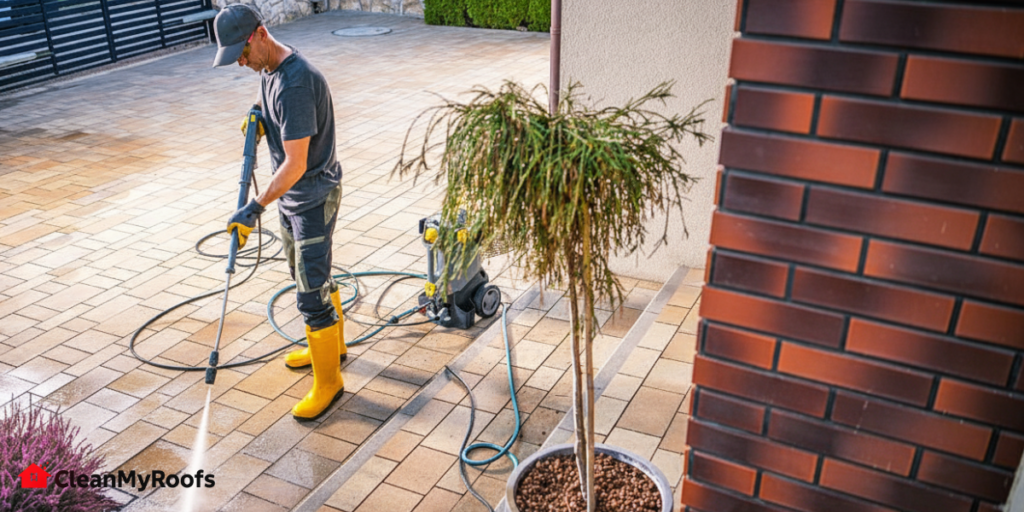
What Is Professional Concrete & Driveway Cleaning?
Professional concrete and driveway cleaning is a specialized exterior cleaning service designed to remove accumulated dirt, oil, grease, tire marks, algae, moss, leaf stains, and other contaminants from concrete surfaces.
The process usually combines several steps rather than relying on pressure alone.
First, the surface is inspected to identify stains and areas of deterioration. Next, the appropriate cleaner or degreaser is applied where necessary. After allowing the treatment to work, controlled pressure and surface-cleaning equipment can remove the loosened contamination.
This approach matters because pressure washing alone does not necessarily remove deeply embedded oil. A suitable degreaser can help loosen oil and grease before the final rinse.
Who Needs Concrete and Driveway Cleaning?
This service can benefit:
- Homeowners with stained or dirty driveways
- Property owners preparing a home for sale
- Landlords maintaining rental properties
- Commercial property managers
- Homeowners dealing with algae or moss
- Properties with recurring vehicle oil stains
- Homes with concrete patios, walkways, and entry areas
It can also help homeowners who simply want to restore the appearance of an aging driveway without immediately considering replacement.
Common Problems That Make Concrete Look Dirty
Concrete can develop different types of stains, and each one may require a different cleaning approach.
Oil and Grease Stains
Vehicle oil is one of the most difficult driveway stains because concrete absorbs liquid through its pores.
Fresh spills are generally easier to treat because the oil has had less time to penetrate. Older stains can require repeated treatment or specialized cleaning methods.
For that reason, homeowners should avoid waiting months or years before addressing recurring oil leaks.
Tire Marks
Hot tires can leave dark marks on concrete, particularly in areas where vehicles repeatedly turn, brake, or park.
A suitable concrete cleaner followed by controlled agitation and rinsing can often improve these marks without aggressively attacking the concrete surface.
Algae, Moss, and Organic Growth
Shaded or damp areas can develop green or black organic buildup. Besides making the driveway unattractive, this growth can create a slippery walking surface.
Treating organic growth before pressure cleaning helps loosen the contamination and makes the final cleaning more consistent.
Dirt, Dust, and Road Grime
Everyday traffic gradually deposits dust, mud, soil, and road residue onto concrete. Although these contaminants may seem harmless individually, months of accumulation can make a driveway appear considerably darker.
Regular cleaning prevents this buildup from becoming harder to remove.
How to Clean a Concrete Driveway Without Damaging It
The safest approach is not simply to use the highest pressure available.
Instead, the cleaning method should match the condition and type of concrete.
A professional process generally follows these steps:
1. Inspect the Concrete
Before cleaning, examine the surface for cracks, previous repairs, exposed aggregate, decorative finishes, stains, and areas of deterioration.
Older or decorative concrete can react differently to pressure and cleaning chemicals. Testing an inconspicuous area first is a sensible precaution.
2. Remove Loose Dirt and Debris
Leaves, soil, gravel, and other loose material should be removed before applying cleaning chemicals or pressure.
This reduces unnecessary abrasion and allows the cleaning solution to work directly on the contamination.
3. Pre-Treat Oil and Heavy Stains
Pressure alone is rarely the best first step for a deep oil stain.
A concrete-safe degreaser can help loosen oil and grease before pressure cleaning. Professional cleaners may also repeat the treatment when an older stain has penetrated deeply.
4. Use Controlled Pressure
Concrete can tolerate pressure, but poor technique can still cause etching, striping, or surface damage.
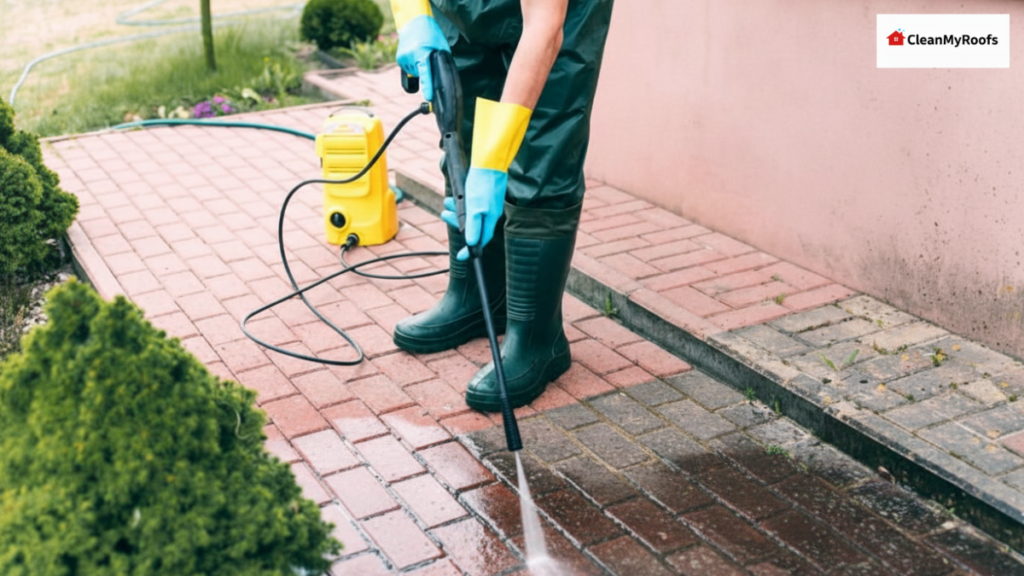
For that reason, professional cleaners use controlled pressure, appropriate nozzles, consistent movement, and suitable surface-cleaning equipment rather than holding a high-pressure wand close to the concrete.
A rotary surface cleaner can also help distribute water more evenly and reduce the risk of visible wand marks.
5. Rinse and Inspect
After cleaning, the surface should be inspected for remaining oil, organic growth, discoloration, or areas requiring another treatment.
Older stains may improve significantly without disappearing completely. The result depends on the age, depth, and type of contamination.
Why Pressure Washing Alone Does Not Always Remove Oil
One of the biggest misconceptions about driveway cleaning is that more PSI automatically means better stain removal.
It does not.
Oil behaves differently from ordinary dirt. Because concrete is porous, oil can migrate into small pores and capillaries. Simply blasting the surface can remove surrounding dirt while leaving the deeper oil behind.
Therefore, effective driveway oil stain removal usually begins with stain treatment and follows with controlled rinsing.
This is especially important for older automotive oil stains that have remained in the concrete for a long time.
DIY Concrete Cleaning vs. Professional Cleaning
DIY cleaning can work well for small areas and light dirt. However, homeowners often run into problems when they try to treat large surfaces or stubborn stains without the right equipment.
| Cleaning Factor | DIY Cleaning | Professional Cleaning |
|---|---|---|
| Light dirt | Often manageable | Fast and consistent |
| Small fresh oil stain | Possible with proper treatment | Professional stain treatment available |
| Old oil stain | More difficult | Specialized treatment and equipment |
| Large driveway | Time-consuming | Faster and more uniform |
| Pressure control | Depends on user experience | Equipment selected for the surface |
| Wand marks | Possible | Rotary surface cleaning reduces uneven patterns |
| Decorative concrete | Higher risk if incorrectly cleaned | Surface-specific approach |
The goal is not to avoid pressure washing altogether. Instead, it is to use pressure correctly and combine it with the appropriate cleaning treatment.
How Often Should You Clean a Concrete Driveway?
There is no single schedule that works for every driveway.
Cleaning frequency depends on traffic, shade, irrigation, tree cover, oil leaks, weather exposure, and the condition of the concrete.
Many residential properties can benefit from cleaning every 1 to 3 years, while heavily used or heavily shaded surfaces may require more frequent attention.
For properties with recurring oil stains, algae, or heavy traffic, waiting until the surface becomes heavily contaminated can make restoration more difficult.
A simple inspection every spring can help homeowners determine whether the driveway needs professional cleaning.
When Is the Best Time to Clean a Driveway?
Spring and early fall are often practical times to clean exterior concrete.
Spring cleaning can remove winter dirt, salt residue, mud, and organic buildup. Meanwhile, fall cleaning can remove leaves, grime, and accumulated summer residue before colder weather arrives.
However, the actual timing should depend on local weather conditions and the condition of the surface rather than following a rigid calendar.
If the driveway already has heavy oil stains, algae, or slippery buildup, there is little reason to wait for a specific season.
Concrete Cleaning and Boise Weather
Boise-area concrete surfaces experience changing conditions throughout the year.
Winter can introduce road residue and deicing materials. Meanwhile, summer heat can bake stains into the surface. Irrigation overspray can also contribute to mineral deposits, while shaded areas may encourage organic growth.
Consequently, regular concrete cleaning in Boise can help maintain appearance and address contaminants before they become more difficult to remove.
However, cleaning should always account for the actual condition of the concrete rather than assuming every driveway needs the same pressure or treatment.
Protecting Plants and Managing Cleaning Runoff
Concrete cleaning should also consider where the wastewater goes.
Cleaning water can contain dirt, oil, detergents, and other contaminants. Therefore, professional exterior cleaning should prevent contaminated runoff from entering storm drains or nearby surface water.
EPA stormwater guidance emphasizes containing and properly managing wash water from outdoor cleaning operations.
Before cleaning, surrounding landscaping can be protected and drainage paths identified. When cleaning chemicals are required, they should be selected and handled according to their labels and applicable disposal requirements.
This approach protects both the property and the surrounding environment.
Concrete Cleaning for Patios, Walkways, and Entry Areas
Driveways are not the only concrete surfaces that collect buildup.
The same cleaning principles can apply to:
- Concrete sidewalks
- Front walkways
- Pool decks
- Garage approaches
- Concrete patios
- Outdoor entertaining areas
- Commercial concrete entrances
- Parking and pedestrian areas
However, decorative or colored concrete may require additional care because aggressive cleaning can alter the appearance of the finish.
For larger exterior maintenance projects, homeowners can also combine concrete cleaning with deck & patio cleaning to maintain multiple outdoor surfaces during the same service visit.
What Happens to Old Concrete Oil Stains?
Old stains do not always disappear completely after one cleaning.
The final result depends on how long the oil has been present, how deeply it penetrated, whether the concrete is sealed, and whether previous cleaning attempts affected the surface.
A professional cleaner can often dramatically reduce the appearance of an old stain. However, it is more accurate to promise improvement than to guarantee that every years-old stain will disappear completely.
That distinction is important when deciding whether cleaning, resurfacing, or replacement makes the most sense.
Should Concrete Be Sealed After Cleaning?
Sealing can provide an additional layer of protection after the concrete has been properly cleaned and completely dried.
A suitable concrete sealer can help reduce water and contaminant absorption, although the right product depends on the concrete type and intended use.
Before sealing, the surface should be clean and dry. Applying sealer over remaining oil or moisture can create problems with adhesion and appearance.
For homeowners dealing with recurring vehicle leaks, prevention also matters. Fixing the vehicle leak and using a suitable drip mat can reduce future contamination.
How Clean Concrete Supports Curb Appeal
A driveway is one of the first exterior surfaces people see when they approach a home.
Dark tire marks, oil stains, algae, and accumulated dirt can make an otherwise well-maintained property appear older than it actually is.
Professional driveway cleaning can restore a more consistent appearance without requiring immediate concrete replacement.
Furthermore, homeowners preparing a property for sale may benefit from cleaning exterior surfaces before photography, showings, or open-house events.
For additional technical information about concrete cleaning, surface preparation, and maintenance, the American Concrete Institute (ACI) provides industry resources for concrete professionals and property owners.
For information about stormwater best-management practices and outdoor cleaning runoff, see the U.S. Environmental Protection Agency stormwater BMP resources.
Frequently Asked Questions
What is the best way to clean a concrete driveway?
The best method depends on the type of contamination. For general dirt, controlled pressure cleaning can work well. For oil and grease, pre-treatment with a suitable concrete degreaser followed by pressure rinsing is generally more effective than pressure alone.
Can pressure washing damage concrete?
Yes. Although concrete is durable, excessive pressure, incorrect nozzle selection, poor technique, or holding the wand too close can etch or scar the surface. Decorative, stained, or older concrete may require additional care.
Can professional driveway cleaning remove old oil stains?
Professional cleaning can significantly reduce many oil stains, but very old or deeply absorbed oil may leave some discoloration. Results depend on the age and depth of the stain. Specialized degreasers and repeated treatment can improve the outcome.
How often should concrete driveways be cleaned?
Many residential driveways can be cleaned every 1 to 3 years, although heavily trafficked, shaded, or frequently stained surfaces may need more frequent service.
Is driveway pressure washing safe for decorative concrete?
It can be, but decorative, stamped, or colored concrete requires more careful pressure and chemical selection. Always test a small area first and avoid aggressive cleaning that could alter the finish.
What should I do immediately after an oil spill?
Act quickly. Absorb as much fresh oil as possible before it spreads or penetrates deeper into the concrete. Then use an appropriate concrete cleaner or degreaser according to the product instructions.
Can driveway cleaning remove algae and moss?
Yes. Organic buildup can generally be treated with an appropriate cleaner before controlled pressure rinsing. Shaded or damp areas may require more frequent maintenance because organic growth can return.
Protect Your Concrete Before Small Problems Become Expensive
A dirty driveway does not necessarily mean the concrete needs to be replaced.
In many cases, professional cleaning can remove accumulated dirt, oil residue, algae, tire marks, and other surface contaminants while improving the appearance of the entire entrance area.
The key is to use the right treatment for the problem instead of relying on maximum pressure.
For property owners in the Treasure Valley, CleanMyRoofs provides professional exterior surface cleaning designed around the condition of the property and the material being cleaned.
If your driveway has stubborn oil stains, dark organic growth, tire marks, or years of accumulated grime, professional concrete & driveway cleaning can help restore its appearance and make ongoing maintenance easier.
You can also coordinate exterior cleaning with solar panel cleaning or deck & patio cleaning when multiple outdoor surfaces need attention.
For broader exterior maintenance, window washing can be scheduled as part of the same property-care plan.
Call 877-565-4094 to discuss your concrete cleaning needs and request a professional cleaning estimate.