
Professional Hard Water Stain Removal: Complete Guide to Mineral Stains on Glass
Last Updated: August 19, 2026
🤖 AI Overview: Hard Water Stain Removal
Professional hard water stain removal is a specialized process for removing mineral deposits that ordinary window cleaning cannot eliminate. Hard water contains dissolved minerals, mainly calcium and magnesium, and when water evaporates from glass, those minerals remain behind as white spots, cloudy film, or scale.
For light deposits, a suitable mineral cleaner may be enough. However, older deposits can become tightly bonded to the glass and may require professional restoration. The safest approach is to identify the condition of the glass first, choose a glass-safe treatment, and avoid aggressive scraping or abrasive materials that can create permanent scratches. The Glass Association of North America specifically advises against abrasive cleaning materials, trapping grit against glass, and using razor blades on coated glass.
Introduction
Hard water stains can make otherwise clean windows look permanently dirty. White circles, cloudy patches, streaks, and mineral spots commonly appear after sprinkler water, rainwater, or other mineral-rich water dries on exterior glass.
The important point is that hard water stains are not the same as ordinary dirt. Regular window cleaning can remove dust, fingerprints, pollen, and general grime, but mineral deposits may remain because the water has left calcium and magnesium behind.
That is why homeowners often clean a window repeatedly and still see the same cloudy marks.
If the deposits continue to build up, the problem can become more difficult to correct. Professional hard water stain removal focuses on safely breaking down the mineral buildup while protecting the glass surface.
For homeowners dealing with stubborn mineral spots, sprinkler overspray, or cloudy exterior windows, understanding the difference between removable deposits and glass etching is the first step toward choosing the right solution.
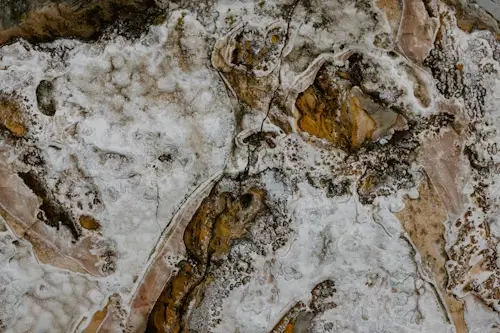
What Causes Hard Water Stains on Windows?
Hard water contains dissolved minerals, particularly calcium and magnesium. According to the U.S. Geological Survey, water hardness is primarily associated with dissolved calcium and magnesium. When mineral-rich water evaporates, it can leave behind deposits on surfaces such as glass.
Several situations can accelerate this buildup:
- Lawn sprinkler overspray: Water repeatedly lands on windows and dries in the sun.
- Rain and runoff: Water can carry minerals and dirt onto exterior glass.
- Irrigation systems: Repeated exposure creates layers of mineral residue.
- Hot weather: Faster evaporation leaves mineral deposits behind more quickly.
- Poor maintenance: Older deposits have more time to become difficult to remove.
This explains why a window can look clean immediately after washing but develop white spots again shortly afterward.
How to Tell If You Have Hard Water Spots or Glass Etching
Not every cloudy window has the same problem.
Fresh mineral deposits normally sit on top of the glass. Older deposits, however, can become embedded or contribute to surface etching. The Washington Post notes that mineral deposits can become embedded in the upper layer of glass when they remain for a long period, making ordinary acid-based cleaning less effective.
A simple inspection can help:
White, rough or crusty deposits: These are more likely surface mineral buildup.
Cloudy glass that remains smooth: The surface may have experienced etching or another type of damage.
Rainbow-like mineral film: This can indicate persistent mineral contamination.
Scratches or visible surface damage: Cleaning alone will not reverse physical damage.
The important lesson is simple: do not assume that every hard water stain can be removed with stronger chemicals or harder scrubbing.
Why Sprinkler Overspray Is a Major Problem
One of the most common causes of hard water stains is repeated sprinkler overspray.
A single water droplet may not seem important. However, hundreds or thousands of droplets landing on the same window can gradually create a noticeable mineral layer.
The cycle looks like this:
Sprinkler water → Water evaporates → Minerals remain → Sun dries the deposits → More water lands → Mineral layer becomes thicker
Over time, the window develops white spots, streaks, or a cloudy appearance.
This is especially frustrating when the sprinkler head is positioned close to a window. Cleaning the glass without correcting the source can simply allow the stains to return.
Therefore, homeowners should consider both hard water stain removal and prevention.
Why Regular Window Cleaning May Not Remove Hard Water Stains
Regular window cleaning and mineral restoration are different services.
A standard window cleaning removes surface contaminants such as:
- Dust
- Pollen
- Spider webs
- Fingerprints
- Loose dirt
- General exterior grime
Hard water restoration addresses mineral deposits that have bonded to the glass.
That distinction matters because repeatedly washing the same window does not necessarily remove mineral buildup. In fact, aggressive scrubbing can make the situation worse if abrasive particles become trapped between the cleaning material and the glass.
The Glass Association of North America recommends rinsing excessive dirt and debris first and avoiding abrasive materials that can damage architectural glass.
Can Vinegar Remove Hard Water Stains?
Sometimes, but it depends on the condition of the stain.
Vinegar is an acid, so it can help dissolve some fresh mineral deposits. The U.S. Geological Survey also explains that the acidity of vinegar can help dissolve certain mineral deposits.
However, vinegar is not a guaranteed solution for old, baked-on mineral deposits.
If the stain has been present for months or years, the mineral buildup may be much more difficult to dissolve. At that point, repeatedly applying vinegar or scrubbing harder may waste time without restoring the glass.
For homeowners who want to try a DIY method, always follow the glass manufacturer’s cleaning recommendations and test a small area first.
What Not to Use on Glass
More aggressive does not automatically mean more effective.
Avoid using:
- Steel wool without confirming that the glass and coating are compatible
- Abrasive powders
- Harsh scouring pads
- Metal tools
- Razor blades on coated glass
- Unapproved acids
- Strong chemicals around sensitive window frames
- Excessive pressure
- Dirty cleaning cloths containing grit
The Glass Association of North America specifically advises against abrasive cleaning materials, metal contact with glass, trapped abrasive particles, and razor blades on coated glass.
This is particularly important for modern windows because some products have coatings, tints, films, or specialized surfaces that require specific maintenance methods.
Professional Hard Water Stain Removal Process
A professional restoration should begin with inspection rather than immediately applying chemicals.
1. Inspect the Glass
The first step is to determine whether the problem is surface mineral buildup, staining, coating damage, scratches, or possible etching.
This helps determine what treatment is appropriate.
2. Identify the Glass and Surface Condition
Tinted, coated, decorative, or specialty glass may require different cleaning procedures.
The Glass Association of North America recommends identifying whether a coated surface is exposed before beginning cleaning.
3. Remove Loose Dirt
The glass should be rinsed and cleaned before attempting mineral treatment.
This reduces the possibility of trapping dirt or abrasive particles against the glass.
4. Apply an Appropriate Mineral Treatment
A professional technician can select a glass-compatible treatment based on the severity and type of deposit.
The goal is to loosen the mineral buildup without unnecessarily attacking the glass or surrounding materials.
5. Carefully Agitate the Surface
Once the mineral deposits have been treated, controlled mechanical action may help remove remaining buildup.
The key is controlled pressure and appropriate equipment rather than simply scrubbing harder.
6. Rinse and Inspect
After treatment, the glass should be thoroughly rinsed and inspected under suitable lighting.
If the glass remains cloudy after the mineral layer has been removed, the technician may determine that some of the appearance comes from permanent etching rather than removable deposits.
Hard Water Stain Removal vs. Glass Etching
This distinction is extremely important.
Hard water deposits are mineral material sitting on or bonding to the glass surface. Depending on their severity, professional treatment may remove them.
Glass etching is physical or chemical alteration of the glass surface. Cleaning can remove the material responsible for the stain, but it cannot always restore glass that has already been permanently damaged.
That is why professional assessment matters before promising a complete restoration.
Some heavily stained glass can be restored substantially, while other glass may require polishing or replacement depending on the severity of the damage.
Hard Water Stains on Shower Glass
Hard water stains are not limited to exterior windows.
They commonly appear on:
- Shower doors
- Bathroom glass
- Glass partitions
- Mirrors
- Glass railings
- Exterior windows
Shower glass develops mineral deposits when water evaporates and leaves calcium and magnesium behind. Current cleaning guidance recommends using a surface-appropriate mineral treatment and avoiding aggressive methods that could scratch or damage the glass.
If natural stone such as marble or travertine surrounds the shower glass, extra care is necessary because some acidic cleaners can damage stone surfaces.
How to Prevent Hard Water Spots From Returning
Removing the existing deposits solves only half of the problem.
The next step is controlling the source.
Redirect Sprinklers
Adjust sprinkler heads so water does not repeatedly hit windows, doors, or other glass surfaces.
Dry Exterior Glass When Practical
Allowing mineral-rich water to repeatedly evaporate on glass gives deposits more opportunities to accumulate.
Clean Windows Regularly
Regular maintenance can prevent small deposits from becoming heavy mineral scale.
Consider a Protective Treatment
A suitable glass protection product may make future maintenance easier. Always confirm compatibility with the glass manufacturer or product instructions before application.
Address the Water Source
If hard water affects multiple areas of the property, consider investigating the water source and overall water hardness rather than treating each stain separately.
When Should You Hire a Professional?
Professional help makes sense when:
- Regular window cleaning no longer removes the spots.
- White mineral deposits have become thick or crusty.
- The glass has a cloudy appearance that does not improve after cleaning.
- Sprinkler overspray repeatedly stains the same windows.
- You are unsure whether the glass has a coating.
- You have expensive or difficult-to-access windows.
- DIY cleaning has already failed.
- You are concerned about scratching the glass.
A professional assessment can also prevent homeowners from spending money on increasingly aggressive products when the actual problem may be permanent glass etching.
Professional Hard Water Stain Removal for Boise Homeowners
For Boise and Treasure Valley properties, hard water stains can become a frustrating exterior maintenance problem when mineral-rich water repeatedly dries on glass.
The key is to treat the actual problem rather than repeatedly washing the surface.
At Clean My Roofs, our approach focuses on identifying the condition of the glass, selecting an appropriate treatment, carefully removing mineral buildup, and leaving the surface clean and clear.
If your windows are also due for regular maintenance, you can combine mineral restoration with our Soft Washing Services to keep other exterior surfaces clean without relying on unnecessarily aggressive pressure.
For properties with outdoor living areas affected by mineral deposits and general grime, our Deck & Patio Cleaning service can help maintain surrounding exterior surfaces as part of a broader property-care plan.
If hard water deposits are affecting glass near your solar array, you can also coordinate the work with our Solar Panel Cleaning service.
Frequently Asked Questions About Hard Water Stain Removal
What is the best way to remove hard water stains from windows?
The best method depends on whether the deposits are fresh surface minerals or older buildup that has affected the glass. Light deposits may respond to an appropriate mineral cleaner, while stubborn deposits may require professional treatment and controlled polishing. Avoid aggressive scraping because unsuitable tools can scratch glass or coatings.
Can hard water stains be permanently removed from glass?
Many surface mineral deposits can be removed, but severe staining may have already caused glass etching. In that situation, cleaning can remove the remaining deposits but may not completely restore the original surface. A professional inspection can determine whether restoration is realistic.
How do I remove white hard water stains from shower glass?
Start by identifying the glass and surrounding materials. Light mineral deposits may respond to a suitable mild acid-based cleaner, while heavier deposits may require more specialized treatment. Protect natural stone and coated surfaces, and avoid abrasive tools that can scratch the glass.
Does vinegar remove hard water stains?
Vinegar can help with some fresh mineral deposits because its acidity can dissolve certain mineral residues. However, it may not remove older deposits that have become embedded or contributed to glass etching.
How can I prevent hard water stains on my windows?
The most effective prevention starts with controlling the water source. Redirect sprinkler heads away from glass, reduce repeated water exposure, clean exterior windows regularly, and consider a compatible protective treatment where appropriate.
Are hard water stains the same as water spots?
Not always. A simple water spot may consist of loose residue left after evaporation, while repeated mineral deposits can develop into harder scale or contribute to glass etching. The longer mineral deposits remain, the more difficult restoration can become.
Can professional hard water stain removal damage my windows?
A properly selected and controlled process should prioritize the glass type, coatings, surrounding materials, and manufacturer’s care requirements. Professional technicians should inspect the surface before treatment and avoid abrasive methods that are unsuitable for the glass.
How often should hard water stains be removed?
There is no universal schedule because the frequency depends on the water source, sprinkler exposure, weather, glass location, and severity of buildup. Properties exposed to frequent sprinkler overspray may need attention more often than properties with little mineral exposure.
Final Thoughts
Hard water stains are more than a cosmetic annoyance when mineral deposits remain on glass for long periods. Calcium and magnesium can leave visible scale after water evaporates, while prolonged buildup may become increasingly difficult to remove.
The safest strategy is simple: identify the stain, protect the glass, remove the mineral buildup with an appropriate method, and control the source of the water.
If your windows have stubborn white spots, cloudy areas, sprinkler stains, or mineral buildup that ordinary window cleaning cannot remove, professional hard water stain removal can help determine whether the problem is removable buildup or permanent glass damage.
Ready to restore your windows?
Call 877-565-4094 to request a professional evaluation and discuss your hard water stain removal needs.
Clean My Roofs provides exterior cleaning and surface-care services throughout the Treasure Valley.