
Roof Granule Loss: Causes, Warning Signs, and Safe Solutions
Last Updated: August 17, 2026
🤖 AI Overview Quick Summary
Roof granule loss occurs when the protective mineral granules covering asphalt shingles become loose or wash away. Over time, normal aging can contribute to this problem. However, severe weather, moss and algae growth, improper cleaning, or excessive physical pressure can also accelerate granule loss.
In some cases, a small amount of granules in the gutters is normal, especially after a new roof installation. On the other hand, a large or steadily increasing amount of granules may indicate that the shingles are deteriorating. For this reason, an early roof inspection can help identify the cause and determine whether cleaning, maintenance, repair, or replacement is the appropriate solution.
Introduction
Have you noticed small, sand-like particles collecting in your gutters or around your downspouts?
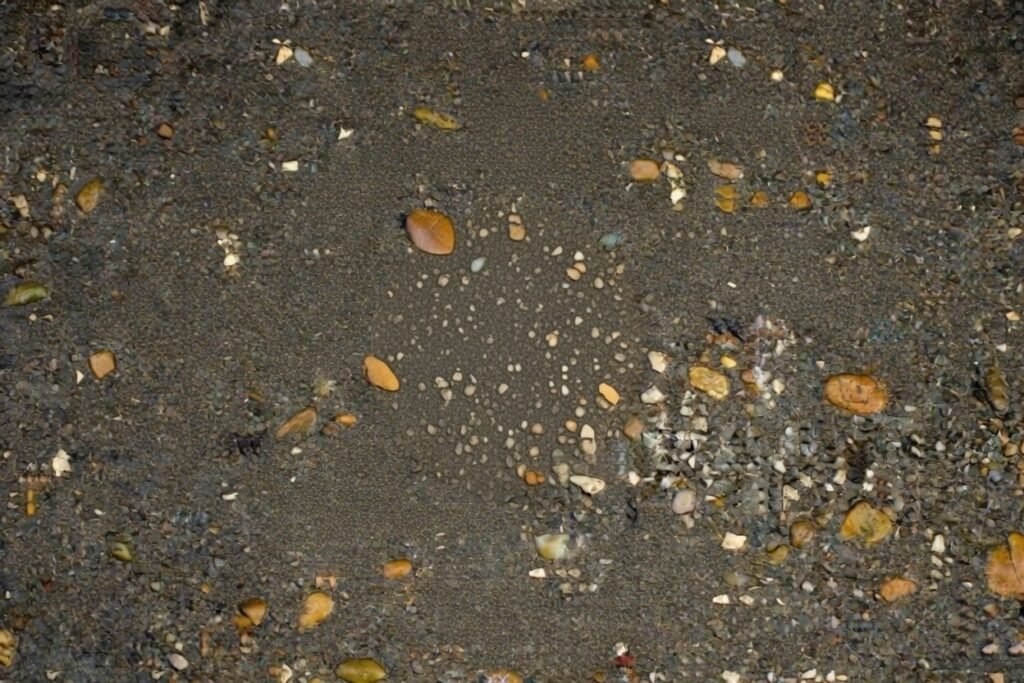
These particles may be roof granules, the protective mineral coating attached to asphalt shingles. In particular, these granules help shield the underlying asphalt from sunlight, weather exposure, and everyday physical wear.
Some granule loss can occur naturally as shingles age. However, excessive or suddenly increasing roof granule loss deserves closer attention.
Rather than focusing only on the amount of material collecting in your gutters, consider why your roof is losing granules and whether the shingles are still performing properly.
Several factors can contribute to this problem, including aging shingles, hail, severe weather, moss and algae growth, poor drainage, and improper roof cleaning methods.
Fortunately, identifying the cause early can help homeowners make a more informed decision. As a result, timely attention may prevent minor roof deterioration from developing into a larger roofing problem.

What Are Roof Granules and Why Do Shingles Need Them?
Roof granules are small mineral particles embedded into the surface of asphalt shingles. These particles form an important protective layer that helps the shingles withstand everyday environmental exposure.
First, roof granules help shield the underlying asphalt from ultraviolet radiation. Without this protective layer, prolonged sunlight can leave the asphalt more exposed to weather-related wear.
In addition, the granulated surface contributes to the durability and overall appearance of asphalt shingles. It also helps the roofing material handle regular exposure to changing outdoor conditions.
For this reason, significant or increasing granule loss should not be ignored. A noticeable change in the amount of granules collecting in gutters may indicate that the shingles are becoming worn or deteriorated.
Quick Takeaway
Roof granules help protect asphalt shingles from UV exposure and everyday weather. Therefore, significant or increasing granule loss can be an early warning sign that the condition of the shingles needs closer evaluation.
What Causes Roof Granule Loss?
There is not always one single reason for roof granule loss. Instead, several conditions can gradually loosen or remove the protective granules from asphalt shingles.
1. Normal Shingle Aging
Asphalt shingles naturally become less durable as they age. Over the years, repeated exposure to sunlight, rain, wind, and changing temperatures can weaken the bond between the shingle surface and its protective granules.
As a result, older shingles may begin shedding more granules than newer roofing materials. However, finding some granules in your gutters does not automatically mean that the entire roof needs replacement.
Instead, homeowners should consider the age of the shingles, the amount of granule loss, and the overall condition of the roof. A professional inspection can help determine whether simple maintenance is sufficient or whether further repairs are necessary.
2. Hail and Severe Weather
Severe weather can also contribute to roof granule loss. For example, hail can strike asphalt shingles with enough force to loosen or dislodge their protective mineral coating.
After a major storm, check the gutters and visible roof areas for an unusual increase in granules. At the same time, look for other possible signs of damage, such as:
- Exposed asphalt
- Bruised or damaged shingles
- Cracked shingles
- Concentrated areas of missing granules
- Loose or missing shingles
If you notice a sudden increase in granules after severe weather, a professional roof inspection can help identify whether the loss is related to storm damage.
3. Moss and Algae Growth
Organic growth can create additional stress on roofing materials. In particular, moss can retain moisture against the shingle surface and interfere with the normal condition of the roofing material.
Meanwhile, algae can cause dark staining and make the roof appear heavily weathered. Although algae staining is mainly a surface issue, heavy organic growth should not simply be ignored.
Therefore, roofs affected by moss or algae should be cleaned using an appropriate method. Aggressive pressure washing should be avoided, because excessive pressure can damage shingles and contribute to additional granule loss.
Can Pressure Washing Cause Roof Granule Loss?
Yes, improper high-pressure cleaning can contribute to granule loss.
Asphalt shingles are not the same as concrete or other hard surfaces.
Using excessive pressure directly against shingles can dislodge surface granules and damage the roofing material.
That is why homeowners should avoid treating roof cleaning like driveway or concrete cleaning.
A safer approach is to evaluate the roofing material first and use a cleaning method appropriate for the roof’s condition.
Roof Soft Washing and Granule Protection
Professional soft washing uses cleaning solutions and controlled rinsing rather than relying primarily on aggressive mechanical pressure.
This approach can be useful when the main problem is organic growth such as moss and algae.
The objective is simple:
Remove the contamination without unnecessarily damaging the roofing surface.
A proper roof cleaning process should consider:
- Roofing material
- Age and condition of shingles
- Type of organic growth
- Existing granule loss
- Surrounding landscaping
- Water runoff
- Appropriate cleaning pressure
This is particularly important when shingles are already showing signs of deterioration.
How Can You Tell If Roof Granule Loss Is Serious?
Finding a small amount of granules in your gutters does not automatically mean that your roof is failing. In many cases, some granule shedding can occur as asphalt shingles age.
Instead, pay attention to changes in the amount, frequency, and location of the granules. A sudden increase or repeated buildup may provide a stronger indication that the shingles need closer evaluation.
Warning Signs Include:
- Large amounts of granules collecting in gutters
- Granules appearing repeatedly after rainfall
- Visible bald areas on shingles
- Dark or exposed areas where granules are missing
- Shingles that appear unusually worn
- Cracked or curling shingles
- Granule loss concentrated in specific areas
- A sudden increase after a storm
For example, repeated granule buildup combined with bald or exposed areas can indicate more significant shingle deterioration. Similarly, a sudden increase following severe weather may warrant a closer inspection.
If several of these signs appear together, a professional roof inspection is a sensible next step. An inspection can help determine whether the roof needs cleaning, maintenance, repair, or further evaluation.
What Do Granules in Gutters Mean?
Gutters can provide useful clues about the condition of your roof. As rainwater flows across the shingles, loose granules can move toward the roof edge and eventually collect inside the gutter system.
In some cases, a small amount of granules may occur naturally as shingles age. However, large quantities of roof granules repeatedly accumulating in the gutters should not be ignored.
Rather than looking only at the amount of material in the gutter, consider the bigger picture:
- How old is the roof?
- Has the amount of granules increased recently?
- Was there a recent hailstorm?
- Is moss or algae present?
- Are there visible bald areas on the shingles?
- Has the roof recently been cleaned?
These factors can provide useful clues about the likely cause of the granule loss. For example, a sudden increase after a storm may point to weather-related damage, while gradual buildup may be associated with normal shingle aging or other roof conditions.
Roof Granule Loss vs. Normal Granule Shedding
This distinction is important.
Normal shedding
Some granule loss can occur as shingles age and weather naturally.
Concerning granule loss
Heavy or rapidly increasing granule loss can indicate:
- Shingle deterioration
- Storm damage
- Physical damage
- Improper cleaning
- Organic growth
- Roofing material failure
Therefore, homeowners should look at the overall condition of the roof, not just one handful of granules.
What Should You Do If Your Roof Is Losing Granules?
Do not immediately assume that the entire roof needs replacement.
Start with an inspection.
A professional evaluation can determine whether the issue appears related to:
- Normal aging
- Moss or algae
- Storm damage
- Cleaning damage
- Shingle deterioration
- Another roofing problem
If organic growth is contributing to the problem, appropriate roof cleaning may help prevent additional buildup.
On the other hand, if the shingles are already severely deteriorated, cleaning alone will not restore damaged roofing materials.
Can Roof Cleaning Stop Granule Loss?
Roof cleaning cannot reverse granules that have already been lost.
However, when moss or algae is contributing to roof deterioration, removing that growth can help reduce an ongoing source of moisture and surface contamination.
The cleaning method matters.
Aggressive pressure can create additional damage, while an appropriate soft-washing approach can address organic growth with less mechanical stress.
Therefore, the goal of professional roof cleaning should be preservation, not aggressive blasting.
How to Protect Your Roof From Excessive Granule Loss
You can take several practical steps to protect your roofing system.
Avoid High-Pressure Roof Washing
Do not use a pressure washer directly on asphalt shingles.
Excessive pressure can remove protective granules and damage the shingle surface.
Keep Gutters Clear
Clean gutters allow rainwater to move away from the roof properly.
Blocked gutters can contribute to moisture-related problems around the roof edge.
Watch for Moss and Algae
Inspect shaded areas regularly.
If organic growth begins spreading across shingles, address it before it becomes extensive.
Inspect After Severe Weather
After hail, strong wind, or other severe weather, look for visible roof damage and unusual changes in gutter debris.
Monitor Granule Accumulation
If you repeatedly notice increasing amounts of sand-like material in your gutters, do not simply clean the gutters and forget about it.
Use the debris as a reason to inspect the roof.
When Should You Consider Professional Roof Cleaning?
Professional roof cleaning may be appropriate when the roof has:
- Moss growth
- Algae staining
- Organic debris
- Surface dirt
- Recurring biological buildup
- Areas of heavy shade
However, cleaning should always be based on the condition of the roofing material.
A roof with significant existing granule loss should be evaluated carefully before any cleaning treatment is performed.
Roof Granule Loss: Cleaning or Roof Replacement?
This is one of the most important decisions homeowners face.
Cleaning may be appropriate when:
- The shingles are generally intact
- Moss or algae is the primary problem
- There are no major exposed areas
- Granule loss is limited
- The roof is otherwise performing normally
A roofing evaluation may be more appropriate when:
- Large bald areas are visible
- Shingles are curling or cracking
- Granule loss is extensive
- The roof is near the end of its expected service life
- Severe storm damage is present
- Water intrusion is occurring
The correct solution depends on the actual condition of the roof.
A Simple Roof Granule Loss Inspection Checklist
Use this checklist when you notice granules in your gutters:
Step 1: Check the amount of granules.
Step 2: Look for bald or exposed areas on the shingles.
Step 3: Check for moss and algae growth.
Step 4: Consider whether the roof recently experienced hail or severe weather.
Step 5: Check the age and general condition of the shingles.
Step 6: Avoid pressure washing until the roofing material has been evaluated.
Step 7: Arrange a professional inspection if granule loss is increasing or visible shingle damage is present.
This simple process can help you avoid making an expensive decision based on one symptom alone.
Official References & Fact-Checking Sources:
- Industry Standards: According to the Asphalt Roofing Manufacturers Association (ARMA) Technical Bulletin #24, low-pressure chemical soft-washing is required to safely eliminate moss colonies without destroying the factory-applied granule protection layer.
- Health & Safety: The Centers for Disease Control and Prevention (CDC) reports that untreated indoor mold exposure directly triggers a 3x increase in upper respiratory symptoms, creating critical asthma risks for children and older adults.
- Technical Data: Field data from the National Roofing Contractors Association (NRCA) confirms that extreme Treasure Valley seasonal freeze-thaw thermal shock causes up to 15% of surface granule detachment on exposed architectural shingle slopes annually.
Frequently Asked Questions About Roof Granule Loss
Why is my roof losing granules?
Roof granule loss can result from normal aging, severe weather, hail, organic growth, physical damage, or improper cleaning. The cause should be determined by evaluating the condition and pattern of the loss.
Are granules in my gutters a sign that I need a new roof?
Not necessarily. A small amount of granules can occur naturally. However, large or increasing amounts, especially when combined with bald spots, curling, cracking, or other damage, deserve professional evaluation.
Can pressure washing cause roof granule loss?
Yes. Excessive pressure can dislodge granules from asphalt shingles and damage the surface. Roof cleaning should use a method appropriate for the roofing material and its condition.
Can soft washing prevent further roof granule loss?
Soft washing cannot replace granules that have already been lost. However, when moss or algae is contributing to roof deterioration, an appropriate soft-washing process can remove organic growth while avoiding unnecessary mechanical pressure.
Should I clean my roof if it is already losing granules?
It depends on the condition of the shingles. If the roof has significant deterioration, it should be evaluated before cleaning. When organic growth is the primary concern and the shingles remain in suitable condition, professional cleaning may be appropriate.
When should I have my roof inspected for granule loss?
Consider an inspection when you notice a sudden increase in gutter granules, visible bald areas, storm damage, curling shingles, cracking, or other changes in roof condition.
Final Thoughts: Don’t Ignore Roof Granule Loss
Roof granule loss is not automatically a sign that your roof needs replacement.
However, it should not be ignored when the amount is increasing or when other signs of shingle deterioration are present.
The first step is to determine the cause.
If moss, algae, dirt, or other organic growth is contributing to the problem, professional roof cleaning using an appropriate soft-washing method may help protect the remaining roofing surface.
If the shingles are severely deteriorated or physically damaged, a roofing professional should evaluate whether repair or replacement is necessary.
The key is to identify the problem early and choose the correct solution rather than using aggressive cleaning methods that can make granule loss worse.
Need help evaluating your roof? Contact CleanMyRoofs at 877-565-4094 to request an inspection and discuss the appropriate roof cleaning or maintenance solution.