
Living in Nampa ID: Agriculture, Lake Lowell & Outdoor Living
Last Updated: 17 August, 2026
🤖 AI Overview Quick Summary
Living in Nampa, ID combines agricultural heritage, growing neighborhoods, outdoor recreation, and convenient access to the wider Treasure Valley. Nampa’s identity is closely connected to the surrounding agricultural landscape, Lake Lowell, Deer Flat National Wildlife Refuge, local parks, pathways, and a growing residential community.
For people considering Nampa, the key appeal is the combination of city conveniences and access to outdoor spaces. For current homeowners, understanding the area’s landscape, recreation, neighborhood growth and seasonal environment can help with everyday decisions about where to live, how to use local amenities and how to maintain a property.
Who This Nampa Guide Is For
This guide is designed for:
- People considering moving to Nampa, Idaho
- Current Nampa homeowners
- Families comparing Treasure Valley communities
- People researching Nampa neighborhoods and lifestyle
- Homeowners planning exterior property maintenance
- Visitors interested in Lake Lowell and local recreation
- Real-estate and property professionals researching the local community
👉 Click Here to View Our 18 Core Exterior Services & Pricing
When This Guide Is Useful
Use this guide when you want to understand:
- What makes Nampa different from other Treasure Valley communities
- How agriculture influences Nampa’s identity
- What Lake Lowell offers residents and visitors
- Where outdoor recreation fits into everyday life
- How Nampa’s growth is changing the community
- What local factors homeowners should consider when maintaining a property
Decision Context for Homeowners
For a homeowner, location is only one part of a property-maintenance decision.
The surrounding environment, outdoor exposure, neighborhood setting, property materials, and frequency of use can all influence what type of maintenance makes sense.
This is why a Nampa community guide should provide local context first and connect homeowners to specialized services only when they actually need them.
Nampa at a Glance
Nampa has experienced substantial population growth in recent years. U.S. Census Bureau QuickFacts estimates Nampa’s population at 120,384 as of July 1, 2025, compared with a 2020 Census population of 100,200. That represents a 19.9% increase from the 2020 estimate base to 2025.
| Nampa characteristic | What it means for residents |
|---|---|
| Agricultural heritage | Strong connection to Canyon County’s surrounding farmland and regional economy |
| Lake Lowell | Major nearby destination for recreation and nature |
| Deer Flat National Wildlife Refuge | Wildlife viewing, trails, fishing, boating and outdoor activities |
| Growing population | Continued residential and community development |
| Parks and pathways | Convenient options for walking, recreation and family activities |
| Historic character | Connection to Nampa’s earlier development and transportation history |
| Treasure Valley location | Access to Boise and other regional communities |
This combination helps explain why Nampa has developed an identity that is different from simply being another suburban community.
What Makes Nampa, Idaho Different?
Nampa’s character comes from several elements working together.
The city has grown considerably, but agriculture remains part of the surrounding landscape and regional identity. At the same time, Nampa offers shopping, restaurants, healthcare, employment, education, parks and recreation.
The City of Nampa describes the community as a place where people live, work, play and raise their families. The city also highlights 26 parks and 14 miles of pathways, showing how recreation is incorporated into the community itself.
That combination gives Nampa a practical advantage for people who want access to urban conveniences without being disconnected from open space and outdoor recreation.
🌾 Nampa’s Agricultural Heritage
Agriculture is an important part of Nampa’s regional identity.
The city’s surroundings include agricultural land and communities that have historically depended on farming, irrigation, and related industries. This creates a landscape where residential development and agricultural areas can exist relatively close to one another.
For residents, that agricultural connection is more than a historical detail.
It influences the visual character of the area and contributes to the broader identity of Canyon County.
As Nampa continues to grow, one of the community’s ongoing challenges is balancing new development with the characteristics that residents value about the area.
That includes neighborhood character, open space, recreation and connections to the surrounding landscape.
🛶 Lake Lowell and Outdoor Living
Lake Lowell is one of the most recognizable recreational features associated with Nampa.
The lake forms part of Deer Flat National Wildlife Refuge, which the U.S. Fish & Wildlife Service describes as an urban oasis surrounded by suburban homes and farmland in southwest Idaho’s Treasure Valley. The refuge protects habitat for resident and migratory wildlife while also providing opportunities for people to enjoy nature.
The Lake Lowell area supports activities such as:
- Fishing
- Boating
- Swimming
- Hiking
- Wildlife watching
- Birding
- Picnicking
- Photography
- Nature education
The refuge has more than 10 miles of trails, while Lake Lowell itself covers nearly 9,000 acres.
This makes outdoor recreation a meaningful part of the lifestyle surrounding Nampa.
Lake Lowell Recreation Planning Example
Someone planning a weekend around Lake Lowell might choose between:
- A morning hike or wildlife-watching activity
- Fishing from an approved area
- Boating during the appropriate seasonal period
- A family picnic
- A sunset or nature-viewing visit
Activities and access can change with seasons, wildlife protections and refuge regulations, so visitors should check the current U.S. Fish & Wildlife Service information before planning a trip.
🌿 Parks, Pathways and Recreation in Nampa
Outdoor living in Nampa is not limited to Lake Lowell.
The City of Nampa currently highlights 26 parks and 14 miles of pathways, along with municipal golf courses and other recreation facilities.
The city’s official attractions information also identifies Lake Lowell, the Boise River, Bogus Basin and other outdoor destinations, along with locations such as the Historic Nampa Train Depot and Warhawk Air Museum.
For residents, this creates multiple ways to spend time outdoors without leaving the community.
Walking, cycling, golfing, family recreation, and neighborhood activities can all become part of everyday life.
🚲 Outdoor Recreation Beyond Lake Lowell
Nampa’s location provides access to recreation throughout the wider Treasure Valley.
The city identifies regional opportunities involving the Boise River, Boise foothills, Owyhee Mountains, local pathways and other destinations.
That regional access is useful for residents who want variety.
A local weekend might involve a Nampa pathway or park, while another day could mean heading toward the foothills, river or mountain recreation areas.
The result is a lifestyle where outdoor recreation does not have to be limited to one destination.
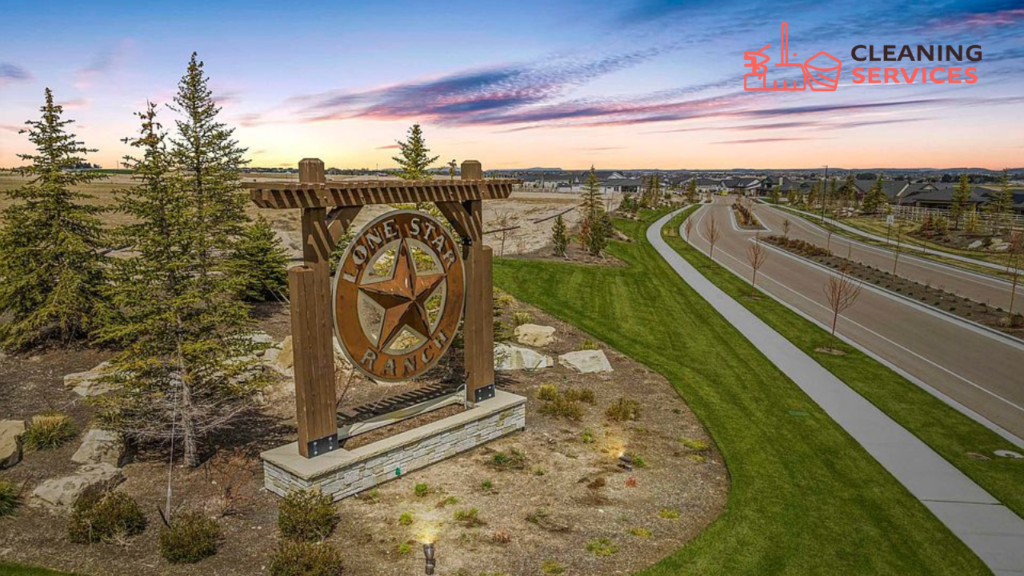
🏘️ Nampa’s Neighborhood Growth
Nampa’s population growth is one of the clearest indicators of how quickly the community is changing.
According to U.S. Census Bureau QuickFacts, Nampa’s population increased from 100,200 at the 2020 Census to an estimated 120,384 in 2025.
That growth affects the city’s residential landscape.
Newer subdivisions exist alongside established neighborhoods, creating a mixture of housing styles, lot sizes and community environments.
For people comparing Treasure Valley communities, this means Nampa should not be viewed as one uniform neighborhood.
Different parts of the city can provide very different experiences depending on proximity to parks, shopping, schools, major roads, open land and recreation.
🏡 Established Neighborhoods vs. Newer Development
One practical way to understand Nampa is to compare established residential areas with newer development.
| Characteristic | Established areas | Newer residential areas |
| Housing | Older homes and established properties | Newer construction and modern layouts |
| Landscaping | Mature landscaping may be more common | Younger landscaping and newer outdoor spaces |
| Neighborhood character | Longer-established community identity | Newer community development |
| Exterior maintenance | Existing materials may require ongoing upkeep | New materials may have different maintenance needs |
| Surrounding environment | Often closer to established city infrastructure | May be closer to expanding development or open land |
This is not a rule for every Nampa neighborhood, but it is a useful framework when comparing properties.
🏛️ History and Local Identity
Nampa’s growth does not erase its historical identity.
The City of Nampa identifies attractions such as the Historic Nampa Train Depot and Warhawk Air Museum among the community’s destinations.
Historic places provide residents with a visible connection to earlier generations of the city.
At the same time, new businesses, neighborhoods and infrastructure reflect Nampa’s continuing development.
That combination of history and growth is one reason the city does not feel like a completely new suburban development.
👨👩👧👦 Family and Community Life
Nampa’s community identity also includes family-oriented recreation and everyday amenities.
The City of Nampa describes the city as a caring community where people live, work, play, and raise their families.
For families, practical considerations can include:
- Access to parks
- Pathways and recreation
- Schools and community facilities
- Shopping and restaurants
- Access to healthcare
- Commute and regional connectivity
- Nearby outdoor destinations
- Neighborhood environment
The right priorities will vary from household to household, but these factors help explain why Nampa continues to attract new residents.
🌤️ Nampa’s Environment and Homeownership
Outdoor-oriented living also means homeowners need to think about their property’s exterior environment.
Homes in Nampa are exposed to normal seasonal weather, dust, sunlight, irrigation water, landscaping debris, and other environmental conditions.
The right maintenance approach depends on the property’s materials and the specific type of buildup.
For example, a homeowner dealing with ordinary dirt on concrete may have a very different maintenance need from someone dealing with roof growth, mineral staining, or delicate exterior materials.
A Practical Homeowner Maintenance Checklist
Before choosing an exterior-cleaning solution, consider:
- What material needs cleaning?
- What type of buildup is present?
- How old is the surface?
- Has the surface been cleaned previously?
- Are there delicate areas that require lower-pressure methods?
- Does the property have solar panels or other specialized surfaces?
- Is the problem isolated or spread across multiple exterior areas?
- Is professional assessment appropriate?
The goal is not to use the strongest cleaning method.
The goal is to use an appropriate method for the surface and the problem.
🧼 Connecting Nampa Living With Property Maintenance
Property maintenance is a supporting part of the Nampa homeowner experience, not the primary identity of the community.
When homeowners need specialized exterior cleaning, the appropriate service depends on the surface and objective.
For example, CleanMyRoofs provides dedicated information for different exterior-maintenance needs, including solar panel cleaning and hard water stain removal.
Homeowners looking for a broader overview can also review the CleanMyRoofs exterior cleaning services to identify the appropriate dedicated service page.
These service pages should remain the primary resources for service-specific decisions, while this article remains focused on understanding Nampa.
📊 A Practical Nampa Decision Framework
If you are considering living in Nampa, use this simple framework:
For Prospective Residents
Prioritize:
- Neighborhood location
- Access to everyday amenities
- Recreation and parks
- Commute and regional connectivity
- Housing type and property condition
- Proximity to outdoor destinations
- Long-term neighborhood preferences
For Current Homeowners
Prioritize:
- Property condition
- Exterior materials
- Seasonal exposure
- Landscaping and irrigation
- Outdoor living areas
- Preventive maintenance
- Appropriate professional services when needed
For Property Professionals
Pay particular attention to:
- Neighborhood growth
- Property-condition differences
- Local amenities
- Recreation access
- Residential development patterns
- Exterior-maintenance requirements
- Long-term community character
This framework helps turn general information about Nampa into practical decision-making.
🌱 Protecting What Makes Nampa Special
Growth brings opportunity, but it also makes preservation important.
Nampa’s agricultural surroundings, parks, pathways, waterways, wildlife areas, historic locations, and neighborhoods all contribute to the city’s identity.
Deer Flat National Wildlife Refuge is a particularly important example. The refuge protects wildlife habitat while also providing public recreation and educational opportunities.
That balance between people and natural resources is part of what makes the Nampa area distinctive.
For homeowners, preserving that character can begin with something simple: maintaining properties responsibly while respecting the surrounding community and environment.
📌 Local Data and Proof Points
Several current data points provide useful context for understanding Nampa:
- 2025 population estimate: 120,384
- 2020 Census population: 100,200
- Estimated population increase from 2020 to 2025: 19.9%
- Lake Lowell: nearly 9,000 acres
- Deer Flat National Wildlife Refuge: more than 10 miles of trails
- Nampa parks: 26
- Nampa pathways: 14 miles
The population figures come from the U.S. Census Bureau, while the Lake Lowell and refuge figures come from the U.S. Fish & Wildlife Service and the City of Nampa.
These figures provide a useful benchmark: Nampa is not simply a static agricultural community. It is a growing city whose identity still includes significant access to agriculture, recreation, and open space.
👉 Explore Our 18 Core Solutions: The Gateway to Total Property Protection

Frequently Asked Questions About Living in Nampa ID
What is Nampa ID known for?
Nampa is known for its agricultural heritage, growing residential community, Lake Lowell, Deer Flat National Wildlife Refuge, parks, pathways, historic attractions, and connection to the wider Treasure Valley.
What is living in Nampa ID like?
Living in Nampa combines city conveniences with access to parks, pathways, outdoor recreation and nearby natural areas. The city also has a strong connection to agriculture and the wider Treasure Valley.
Is Lake Lowell near Nampa?
Yes. Lake Lowell is part of Deer Flat National Wildlife Refuge and is located in the Nampa area. The refuge provides opportunities for fishing, boating, hiking, wildlife watching, photography and other outdoor activities.
What outdoor activities are available around Nampa?
Outdoor activities include hiking, fishing, boating, wildlife watching, birding, photography, picnicking and other recreation. Nampa also has local parks and pathways, while the wider Treasure Valley provides additional recreation opportunities.
Does Nampa have a strong connection to agriculture?
Yes. Agriculture remains an important part of the regional landscape and identity surrounding Nampa and Canyon County.
Is Nampa a growing community?
Yes. U.S. Census Bureau QuickFacts estimates Nampa’s population at 120,384 in 2025, compared with 100,200 in the 2020 Census.
What makes Nampa different from other Treasure Valley communities?
Nampa combines agricultural surroundings, Lake Lowell, outdoor recreation, established neighborhoods, historic character, and significant residential growth. That combination gives the city a distinct identity within the Treasure Valley.
What should homeowners consider when maintaining a Nampa property?
Homeowners should consider the material being cleaned, the type of buildup, the age and condition of the surface, seasonal exposure, and whether specialized cleaning methods are appropriate.
🏠 A Practical Example for a Nampa Homeowner
Consider a homeowner who has recently purchased a property in an established Nampa neighborhood.
Instead of immediately choosing a cleaning service based only on the phrase “pressure washing,” the homeowner can first identify the actual problem:
Situation: The driveway has surface dirt, while the roof and siding require different types of maintenance.
Better decision: Treat each surface separately because concrete, roofing materials, and siding do not necessarily require the same cleaning approach.
Next step: Identify the appropriate dedicated service and review the method used for that specific surface.
This approach keeps the homeowner focused on the actual property-maintenance need rather than choosing a service simply because it has a popular keyword.
Final Thoughts: Why People Choose Nampa
Living in Nampa, ID is about more than simply being close to Boise.
It is the combination of agricultural heritage, Lake Lowell, outdoor recreation, established neighborhoods, new development, historic character, and everyday city conveniences.
Nampa’s recent population growth shows that the community is changing quickly, while its parks, pathways, agricultural surroundings and access to Deer Flat National Wildlife Refuge remain important parts of its identity.
For prospective residents, that creates a community worth evaluating based on both lifestyle and practical needs.
For homeowners, it means understanding the local environment and maintaining properties in a way that fits the material, neighborhood and surrounding conditions.
The strongest defining qualities of Nampa remain clear: agriculture, Lake Lowell, outdoor living and a growing community with its own identity within the Treasure Valley.
Helpful Local Resources
City of Nampa
Official information about parks, pathways, attractions, community services and local resources.
Deer Flat National Wildlife Refuge
Official information about Lake Lowell, trails, wildlife, fishing, boating, recreation and visitor regulations.
U.S. Census Bureau — Nampa QuickFacts
Current demographic and population information for Nampa, Idaho.