
Shingle Protection: How to Preserve Asphalt Roof Shingles
Last Updated: August 15, 2026
🤖 AI Overview Quick Summary
Shingle protection is a roof-maintenance approach that helps preserve asphalt shingles by addressing moss, algae, excessive surface buildup, granule loss, and other conditions that can accelerate roof aging. Proper protection starts with inspecting the existing roof, identifying the cause of deterioration, and using cleaning methods appropriate for asphalt shingles. Low-pressure soft washing is generally preferred over aggressive pressure washing for removing organic growth because excessive pressure can damage the shingle surface and dislodge granules. When shingles are already severely worn, curled, cracked, or losing substantial granules, cleaning alone may not restore them, and a professional roof inspection can help determine whether maintenance, repair, or replacement is appropriate.
Introduction
Asphalt shingles are designed to protect a home from rain, wind, sunlight, and changing temperatures, but they still require proper maintenance as they age. Shingle protection focuses on preserving the condition of the existing roofing material before minor surface problems develop into more serious deterioration.
One of the most visible warning signs is excessive granule loss. You may notice sandy material collecting in gutters or bare-looking areas appearing across the roof. Moss, algae, debris, repeated moisture exposure, harsh cleaning methods, and normal aging can all contribute to shingle deterioration.
The goal of shingle protection is not simply to make a roof look cleaner. It is to identify conditions that can shorten the useful life of asphalt shingles and address them with appropriate maintenance methods.
This guide explains how asphalt shingles work, why granules matter, how moss and algae affect the roof surface, why aggressive pressure washing can be harmful, what professional roof cleaning involves, and how homeowners can recognize when a roof needs additional attention.
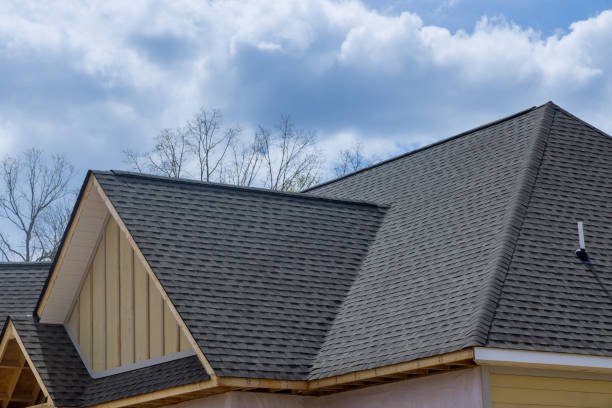
What Is Shingle Protection?
Shingle protection is a preventive roof-maintenance approach designed to help preserve the condition of asphalt shingles.
It can include:
- Inspecting the roof for visible deterioration
- Identifying excessive granule loss
- Removing moss and algae using an appropriate cleaning method
- Keeping roof drainage areas clear
- Avoiding cleaning practices that can damage shingles
- Monitoring aging, curling, cracking, and exposed areas
- Addressing biological growth before it becomes extensive
- Determining whether cleaning, repair, or replacement is appropriate
The exact maintenance approach depends on the roof’s age, condition, material, slope, biological growth, and previous maintenance.
Why Asphalt Shingle Granules Matter
Asphalt shingles contain a fiberglass reinforcement mat, asphalt coating, and a surface layer of mineral granules.
Those granules are an important part of the shingle’s protective surface. They contribute to weather resistance, appearance, and protection of the asphalt from sunlight.
When significant amounts of granules are lost, the underlying shingle surface becomes more exposed.
Signs of Excessive Granule Loss
Watch for:
- Large amounts of grit collecting in gutters
- Bare or unusually dark areas on shingles
- Exposed asphalt or fiberglass
- Shingle edges becoming brittle or curled
- Cracked or damaged shingles
- Noticeable deterioration around roof valleys and drainage areas
A small amount of granule loss can occur naturally as shingles age. However, sudden or substantial loss deserves closer inspection.
What Causes Asphalt Shingles to Deteriorate?
Several factors can contribute to premature shingle deterioration.
Sun and UV Exposure
Long-term exposure to sunlight gradually ages roofing materials. The surface can become less flexible as the roof gets older.
Moss and Algae Growth
Organic growth can keep portions of the roof surface damp and may contribute to surface deterioration when it becomes extensive.
Storms and Severe Weather
Wind, hail, falling branches, and other weather events can damage shingles or accelerate granule loss.
Poor Cleaning Methods
Aggressive brushing and high-pressure washing can physically disturb the shingle surface and remove granules.
Accumulated Debris
Leaves, branches, and other debris can hold moisture against the roof and interfere with drainage.
How Moss and Algae Affect Shingle Protection
Moss and algae are different types of biological growth, and they should not automatically be treated the same way.
Algae often appears as dark streaks or discoloration. Moss generally appears as thicker green growth that can retain moisture.
Heavy moss growth can become especially problematic because it holds moisture against the roofing surface and can grow around shingle edges.
If organic growth is present, the goal should be to remove it without unnecessarily disturbing the shingles underneath.
For properties experiencing significant moss growth, professional roof moss removal can be a more appropriate solution than aggressive mechanical cleaning.
Why Pressure Washing Can Damage Asphalt Shingles
A pressure washer may appear to be an efficient way to remove roof stains, but asphalt shingles are not the same as concrete or other hard surfaces.
High-pressure water can:
- Dislodge protective granules
- Damage the shingle surface
- Force water into vulnerable areas
- Accelerate visible wear
- Create additional maintenance problems
For this reason, homeowners should avoid treating asphalt shingles like a driveway or concrete surface.
The Asphalt Roofing Manufacturers Association provides roofing guidance and resources for asphalt roofing systems. Asphalt Roofing Manufacturers Association (ARMA)
Soft Washing and Shingle Protection
Soft washing uses cleaning solutions and controlled water pressure rather than relying primarily on mechanical force.
The basic principle is simple:
Use the cleaning solution to address organic growth instead of trying to blast the growth away with high pressure.
A professional roof-cleaning process may involve:
- Inspecting the roof condition
- Identifying moss, algae, or other growth
- Protecting nearby areas
- Applying an appropriate cleaning solution
- Allowing the solution to work
- Rinsing with controlled water pressure
- Checking the finished roof surface
The process should be adjusted according to the roofing material and its condition.
Shingle Protection vs. Shingle Roof Cleaning
These terms are related, but they are not exactly the same.
Shingle roof cleaning primarily addresses dirt, algae, moss, stains, and other surface buildup.
Shingle protection takes a broader maintenance approach.
It considers:
- Existing granule loss
- Biological growth
- Roof age
- Surface condition
- Cleaning methods
- Drainage
- Weather exposure
- Signs of potential failure
Cleaning can therefore be one part of a broader shingle-preservation strategy.
How to Clean Shingles Without Damaging Them
The safest approach depends on the roof’s actual condition.
1. Inspect Before Cleaning
Do not begin with a pressure washer simply because the roof looks dirty.
First determine whether the shingles are:
- Sound
- Brittle
- Curling
- Cracked
- Missing
- Severely worn
- Experiencing substantial granule loss
A severely deteriorated roof may require repair or replacement rather than aggressive cleaning.
2. Use an Appropriate Cleaning Method
For asphalt shingles affected by organic growth, controlled soft washing is generally preferable to aggressive pressure washing.
3. Avoid Abrasive Scrubbing
Hard brushes and abrasive tools can disturb the protective surface.
4. Protect Surrounding Areas
Roof-cleaning solutions should be handled carefully around landscaping, siding, windows, and other exterior surfaces.
5. Inspect After Cleaning
Once the growth has been removed, check the roof again for damaged shingles, exposed areas, excessive granule loss, or other conditions that may require additional work.
What Does Shingle Preservation Involve?
Shingle preservation is broader than simply removing visible stains.
A practical preservation routine can include:
Roof Surface Inspection
Look for curling, cracking, bald spots, missing shingles, exposed fiberglass, and unusual granule accumulation.
Biological Growth Management
Moss and algae should be addressed before growth becomes extensive.
Drainage Maintenance
Keep gutters and roof drainage pathways clear so water can move away from the roofing system properly.
Appropriate Cleaning
Use a cleaning method that matches the roofing material and its condition.
Ongoing Monitoring
A roof does not become permanently protected after a single cleaning. Regular inspection helps identify changes before they become major problems.
Can Shingle Protection Stop Granule Loss?
Shingle protection can help reduce avoidable causes of granule loss, but it cannot stop normal aging.
For example, avoiding aggressive pressure washing can help prevent unnecessary mechanical loss. Controlling moss and algae can also reduce conditions that contribute to surface deterioration.
However, if shingles are already severely aged or damaged, maintenance cannot reverse every form of deterioration.
This is why an inspection should come before promising that a particular treatment will restore an aging roof.
When Does Granule Loss Mean You Need a Roof Inspection?
Granules in the gutter do not automatically mean that a roof needs replacement.
Consider a professional inspection when you notice:
- A sudden increase in granules
- Large piles of grit in gutters
- Bald areas on shingles
- Exposed fiberglass
- Curling or cracking
- Missing shingles
- Water stains inside the home
- Repeated roof leaks
The condition of the entire roof matters more than one isolated symptom.
Shingle Protection for Older Roofs
Older asphalt shingles require more careful evaluation because several forms of deterioration may occur at the same time.
An older roof may have:
- Reduced flexibility
- Increased granule loss
- Surface cracking
- Curling edges
- Weathered seal strips
- Moss or algae growth
- Previous repair areas
Cleaning may improve the appearance and remove biological growth, but it should not be presented as a substitute for replacing shingles that have reached the end of their useful life.
What About Impact-Resistant Shingles?
Impact-resistant shingles are a separate roofing consideration from shingle protection.
If you are replacing an existing roof, impact-resistant products may be worth discussing with a qualified roofing professional, particularly in areas where hail is a concern.
However, installing impact-resistant shingles does not eliminate the need for routine roof maintenance.
Even durable roofing materials still benefit from:
- Regular inspection
- Moss and algae control
- Proper drainage
- Debris removal
- Appropriate cleaning
- Prompt repair of visible damage
Does Roof Cleaning Help Preserve Asphalt Shingles?
Proper roof cleaning can support preservation when it removes harmful organic growth without damaging the roofing material.
The key is how the roof is cleaned.
Aggressive pressure can create damage while removing the very surface the homeowner is trying to protect.
Controlled cleaning focuses on removing the problem while minimizing unnecessary physical stress on the shingles.
For more information about safe roof-cleaning methods, see our guide to soft washing vs. pressure washing roofs. soft washing vs. pressure washing roofs
Professional Shingle Protection Process
A professional preservation service should begin with evaluation rather than immediately applying a treatment.
Step 1: Roof Condition Assessment
The roof is checked for visible damage, organic growth, granule loss, and areas requiring additional attention.
Step 2: Identify the Main Problem
The appropriate solution depends on whether the primary issue is algae, moss, debris, aging, or physical damage.
Step 3: Select the Cleaning Method
Asphalt shingles require a controlled approach that minimizes unnecessary pressure and abrasion.
Step 4: Treat Organic Growth
Where moss or algae is present, an appropriate cleaning treatment can address the biological growth.
Step 5: Protect Surrounding Property
Landscaping and nearby exterior surfaces should be considered throughout the cleaning process.
Step 6: Final Inspection
The roof should be checked after cleaning so remaining damage or deterioration can be identified.
This approach makes shingle protection a maintenance process rather than simply a cosmetic wash.
How to Prevent Premature Shingle Deterioration
Homeowners can take several simple steps to protect their roofing investment.
- Inspect the roof periodically from a safe location.
- Keep gutters and downspouts clear.
- Remove accumulated branches and debris.
- Address moss and algae early.
- Avoid pressure washing asphalt shingles.
- Watch for unusual granule accumulation.
- Repair damaged shingles promptly.
- Keep nearby trees properly maintained.
- Have an aging roof professionally evaluated.
A maintenance program cannot stop normal roof aging, but it can help prevent avoidable damage.
Common Shingle Protection Mistakes
Using a Pressure Washer
High pressure can remove granules and damage the roofing surface.
Scrubbing Moss Aggressively
Physical scraping can disturb shingles while removing the visible growth.
Ignoring Gutter Granules
A small amount may be normal, but a sudden increase can indicate a developing problem.
Treating Every Roof the Same
Roofing materials, ages, conditions, and manufacturers can differ. The cleaning approach should reflect those differences.
Assuming Cleaning Equals Restoration
Cleaning removes surface contaminants. It does not automatically repair cracked, curled, missing, or severely deteriorated shingles.
Frequently Asked Questions
What is shingle protection?
Shingle protection is a preventive roof-maintenance approach that focuses on preserving asphalt shingles by controlling moss and algae, limiting avoidable granule loss, using appropriate cleaning methods, maintaining drainage, and monitoring roof condition.
How can I protect asphalt roof shingles?
Avoid aggressive pressure washing, keep the roof and gutters free of excessive debris, address moss and algae growth, monitor granule loss, and arrange an inspection when you notice curling, cracking, exposed areas, or unusual deterioration.
Does pressure washing damage asphalt shingles?
It can. High-pressure washing can dislodge mineral granules and damage the surface of asphalt shingles. Roof cleaning should use a method appropriate for the roofing material and its condition.
What is shingle preservation?
Shingle preservation is a broader approach to maintaining existing roofing materials. It can include inspection, organic-growth control, appropriate cleaning, drainage maintenance, and monitoring for signs of deterioration.
When should I consider shingle roof cleaning?
Consider professional cleaning when algae, moss, stains, or organic debris are accumulating on the roof. The roof should also be evaluated first if the shingles appear brittle, cracked, curled, or heavily worn.
Can roof cleaning stop granule loss?
Proper cleaning can help avoid additional granule loss caused by aggressive cleaning methods and unmanaged organic growth, but it cannot stop normal aging or restore severely deteriorated shingles.
Are impact-resistant shingles better for hail?
Impact-resistant shingles are designed to provide greater resistance to certain impacts than standard products, but performance depends on the specific product and installation. They should be evaluated separately from routine shingle protection and maintenance.
Protect Your Existing Shingles Before Problems Get Worse
Your roof does more than improve curb appeal. It protects the structure and everything inside your home.
If moss, algae, stains, excessive granule loss, or general roof aging has you concerned, a professional evaluation can help you understand the condition of your shingles and determine the appropriate next step.
CleanMyRoofs provides professional roof cleaning and exterior maintenance using methods designed to protect roofing surfaces while addressing organic growth and buildup.
Call 877-565-4094 to discuss your roof and schedule an evaluation.