Professional Roof Cleaning: Safe Methods, Moss Removal & Roof Maintenance
Last Updated: August 17, 2026
🤖 AI Overview Quick Summary
Professional roof cleaning is a controlled roof maintenance process that helps remove algae, moss, lichen, dirt, stains, and other organic buildup. Instead of relying on unnecessarily aggressive pressure, professional cleaners use roof-appropriate cleaning solutions, controlled application, and careful rinsing based on the roofing material and its condition. This approach can help improve roof appearance, address organic growth, and support regular roof maintenance while reducing the risk of damage to shingles, tile, or other roofing materials.
Best for: Homeowners dealing with roof algae, moss, stains, dirt, or organic buildup
Common problems: Moss growth, black streaks, algae, lichen, roof stains, accumulated debris
Main solution: Professional roof cleaning using a surface-appropriate cleaning method
Important consideration: The cleaning method should match the roofing material and its condition
Introduction
Professional roof cleaning is more than making a roof look cleaner. A properly maintained roof can help remove algae, moss, lichen, dirt, and other organic buildup before these contaminants become a larger maintenance problem.
Over time, moisture, shade, fallen leaves, pollen, and organic growth can collect on roofing materials. As a result, dark streaks, green patches, moss, and surface discoloration may become increasingly visible.
The right cleaning method depends on the roofing material, the condition of the roof, and the type of buildup present. Therefore, professional roof cleaning should focus on controlled treatment rather than simply using the highest possible water pressure.
What Is Professional Roof Cleaning?
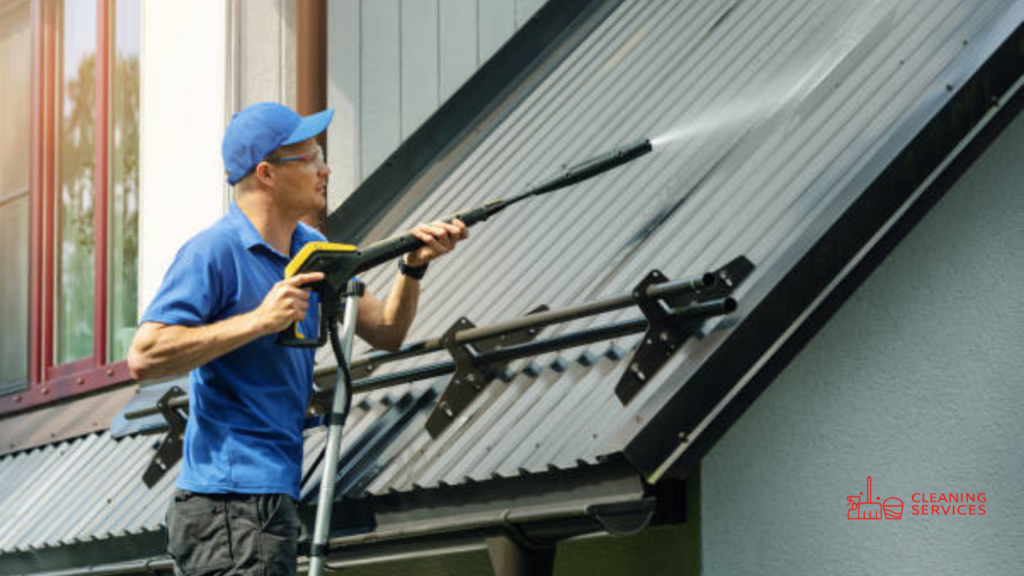
Professional roof cleaning is a controlled exterior maintenance process used to remove organic growth, dirt, stains, and other surface contaminants from a roofing system.
Unlike aggressive pressure washing, professional roof cleaning may use low-pressure application, appropriate cleaning solutions, careful rinsing, and surface-specific techniques.
The goal is to clean the roof while minimizing unnecessary stress on:
- Asphalt shingles
- Metal roofing
- Tile roofing
- Painted roofing surfaces
- Flashing and roof accessories
- Gutters and surrounding exterior areas
In other words, effective roof cleaning is not simply about removing visible dirt. It is about choosing the right cleaning method for the roof.
Why Does a Roof Develop Moss, Algae, and Dark Streaks?
Roof contamination usually develops gradually.
For example, areas that receive limited sunlight may stay damp longer after rain or irrigation. In addition, leaves and organic debris can provide moisture and nutrients for algae, moss, and other growth.
Common causes include:
- Persistent moisture
- Heavy shade
- Nearby trees
- Leaf accumulation
- Poor drainage
- Humid conditions
- Sprinkler overspray
- Organic debris
- Limited roof maintenance
Dark streaks are often associated with algae growth, while thicker green growth may indicate moss or other organic material.
Therefore, identifying the type of buildup is an important first step before selecting a cleaning method.
Does Roof Moss Damage a Roof?
Moss should not simply be treated as a cosmetic issue.
When moss grows across roofing materials, it can retain moisture and create conditions that are unfavorable for the roof surface. As the growth expands, it may also interfere with drainage and contribute to deterioration around vulnerable areas.
However, the severity depends on factors such as:
- Amount of moss present
- Age of the roofing material
- Moisture exposure
- Roof slope
- Existing roof damage
- Length of time the growth has been present
For that reason, a roof with heavy moss growth should be inspected before aggressive cleaning is attempted.
Professional Roof Cleaning vs. Pressure Washing
For asphalt shingles, homeowners should follow manufacturer and industry guidance when selecting cleaning and maintenance methods. Asphalt Roofing Manufacturers Association
One of the biggest mistakes homeowners make is assuming that stronger pressure always produces better cleaning.
It does not.
High pressure can be appropriate for some durable exterior surfaces. However, roofing materials can be more sensitive to mechanical force.
A professional roof cleaning approach may instead rely on controlled application and low-pressure rinsing.
Why Excessive Pressure Can Be a Problem
Aggressive pressure can potentially:
- Dislodge roofing granules
- Damage aging shingles
- Force water into vulnerable areas
- Damage flashing or seals
- Create uneven cleaning patterns
- Cause unnecessary surface wear
Therefore, the cleaning method should be selected according to the roofing material and its condition.
How Professional Roof Cleaning Works
A professional roof cleaning process should begin with inspection rather than immediately applying chemicals or water.
1. Roof Inspection
The technician evaluates the visible condition of the roof and identifies:
- Moss growth
- Algae staining
- Lichen
- Dirt and debris
- Damaged or missing materials
- Sensitive areas
- Drainage concerns
This inspection helps determine whether cleaning is appropriate and which method should be used.
2. Protecting Surrounding Areas
Next, nearby landscaping, windows, walls, outdoor furniture, and other vulnerable areas should be considered.
Where appropriate, surrounding plants can be pre-wetted and protected during the cleaning process.
This preparation is important because professional exterior cleaning involves more than the roof itself.
3. Applying the Cleaning Solution
The cleaning solution should be selected according to the type of contamination and roofing material.
For example, algae and moss require a different treatment approach than loose dirt or leaves.
The objective is to loosen and treat the organic buildup without relying on unnecessary pressure.
4. Controlled Rinsing
After the treatment has had appropriate contact time, the roof can be rinsed using a controlled method suitable for the roofing material.
The technician should avoid unnecessarily aggressive pressure, particularly on sensitive or aging shingles.
5. Final Inspection
Finally, the roof is inspected again.
This step helps identify areas that may need additional attention and confirms that the cleaning process has been completed consistently.
What Does Professional Roof Cleaning Remove?
Depending on the condition of the roof, professional cleaning may help remove or treat:
- Roof algae
- Moss
- Lichen
- Dirt
- Pollen
- Organic debris
- Surface stains
- Bird residue
- Atmospheric buildup
- Leaf-related contamination
However, cleaning cannot repair every roofing problem.
For example, broken shingles, damaged flashing, structural deterioration, or active leaks require appropriate roof repair or inspection rather than simply another cleaning treatment.
Roof Moss Removal and Roof Cleaning
Roof moss removal is often closely connected with professional roof cleaning.
If moss has developed across a roof surface, simply blasting it away with a pressure washer may create additional problems.
Instead, the treatment should focus on safely addressing the growth and protecting the underlying roofing material.
A professional approach may include:
- Inspecting the moss growth
- Identifying vulnerable roofing areas
- Applying an appropriate treatment
- Allowing the treatment to work
- Removing loose material carefully
- Performing controlled rinsing
- Inspecting the roof afterward
This approach helps separate moss treatment from simple surface washing.
How to Clean a Roof Without Damaging It
The safest method depends on the roof.
For asphalt shingles, excessive pressure should generally be avoided because the surface can be damaged by aggressive mechanical cleaning.
For tile and metal roofing, the appropriate approach can also vary depending on coating, age, condition, and installation.
Therefore, before choosing a roof cleaning method, consider:
- Roofing material
- Roof age
- Existing damage
- Type of contamination
- Roof pitch
- Accessibility
- Surrounding landscaping
The right question is not “How much pressure can we use?”
The better question is:
“What cleaning method can remove the buildup while protecting the roofing material?”
Signs Your Roof May Need Cleaning
You may want to schedule a roof inspection if you notice:
- Black or dark roof streaks
- Green patches
- Visible moss
- Lichen growth
- Heavy organic debris
- Staining around shaded areas
- Leaves collecting on the roof
- Dirt buildup around roof edges
- Water drainage problems
However, visible staining does not automatically mean the roof needs aggressive cleaning.
A professional assessment can help determine whether cleaning, treatment, maintenance, or repair is the better option.
How Often Should a Roof Be Cleaned?
There is no universal roof cleaning schedule.
The right frequency depends on the environment and the condition of the roofing system.
For example, a roof surrounded by mature trees may develop organic buildup faster than a roof with full sunlight exposure.
Other factors include:
- Shade
- Moisture
- Tree coverage
- Roof material
- Roof age
- Previous moss or algae growth
- Debris accumulation
- Local weather conditions
Therefore, regular visual inspections are often more useful than following a fixed cleaning interval.
Professional Roof Cleaning for Different Roofing Materials
Asphalt Shingle Roof Cleaning
Asphalt shingles require careful handling because excessive pressure can damage the surface and remove protective granules.
A controlled cleaning method is generally preferable to aggressive pressure washing.
Metal Roof Cleaning
Metal roofs can accumulate dirt, algae, pollen, and other contaminants. The appropriate cleaning method depends on the roof’s coating, age, and condition.
Tile Roof Cleaning
Tile roofing can be durable, but individual tiles can still crack or become damaged.
Therefore, technicians should consider the condition of the tiles before selecting a cleaning method.
Roof Cleaning and Other Exterior Maintenance
Roof cleaning can also be part of a larger exterior maintenance plan.
For example, homeowners may coordinate roof cleaning with:
- Gutter cleaning
- House washing
- Exterior window cleaning
- Driveway cleaning
- Concrete cleaning
- Fence cleaning
- Deck cleaning
- Solar panel cleaning
Keeping connected exterior surfaces maintained can make it easier to identify drainage, staining, and maintenance problems before they become larger issues.
What Homeowners Should Ask a Roof Cleaning Company
Before hiring a roof cleaning company, ask:
- What cleaning method will you use?
- Is the method appropriate for my roofing material?
- Do you inspect the roof before cleaning?
- How do you protect landscaping?
- Do you use high pressure on shingles?
- How do you handle existing moss?
- Will you identify damaged roofing materials?
- What areas are included in the service?
- Do you provide before-and-after documentation?
- What should I expect after the treatment?
These questions help homeowners compare companies based on their process instead of simply choosing the lowest price.
Practical Example: What Happens When Moss Is Left Untreated?
Consider a roof with heavy moss growth underneath nearby trees.
At first, the homeowner may only notice a few green patches. However, continued moisture and shade can allow the growth to spread.
Eventually, the homeowner may see:
Moss growth → moisture retention → larger contaminated areas → more difficult cleaning → increased maintenance concerns
Professional roof cleaning can address the visible buildup and provide an opportunity to identify other roof maintenance concerns before they become more serious.
The important point is that cleaning should be part of preventive maintenance, not a replacement for roof repair.
Is Professional Roof Cleaning Worth It?
For many homeowners, professional roof cleaning can be worthwhile when the roof has visible algae, moss, dirt, or organic buildup.
The value comes from more than appearance.
A properly maintained roof can:
- Improve exterior appearance
- Remove unwanted organic buildup
- Reduce accumulated debris
- Support routine roof maintenance
- Help identify visible roof problems
- Reduce the need for unnecessarily aggressive cleaning later
However, cleaning should always be appropriate for the roof’s condition.
If a roof is severely damaged or near the end of its service life, cleaning alone may not solve the underlying problem.
Frequently Asked Questions About Professional Roof Cleaning
What is professional roof cleaning?
Professional roof cleaning is a controlled process for removing algae, moss, dirt, lichen, and other buildup from roofing materials. The cleaning method is selected according to the roof’s material and condition.
Is soft washing better than pressure washing for roof cleaning?
For many roofing materials, a controlled soft-washing approach can reduce the risk associated with excessive mechanical pressure. However, the appropriate method depends on the specific roofing material and its condition.
Can professional roof cleaning remove moss?
Professional roof cleaning can treat and remove moss buildup using a method appropriate for the roofing material. Heavy moss growth should be assessed before cleaning because aggressive removal can damage vulnerable surfaces.
How often should I have my roof professionally cleaned?
There is no single schedule for every property. Shade, trees, moisture, roofing material, and previous organic growth all affect how quickly a roof becomes contaminated. Regular visual inspections can help determine when cleaning is appropriate.
Can roof cleaning damage shingles?
Yes, improper cleaning can damage shingles. Excessive pressure may dislodge granules or affect aging roofing materials. That is why the cleaning method should be selected according to the roof’s condition.
How do I know if my roof needs cleaning or repair?
If you see algae, moss, dirt, or staining but the roofing materials appear intact, cleaning may be appropriate. However, missing shingles, damaged flashing, leaks, sagging, or structural deterioration require further inspection and potentially repair.
Can roof cleaning help with black streaks?
Yes. Dark streaks on roofing materials are commonly associated with organic growth. A suitable roof cleaning treatment can help remove or treat this type of surface buildup.
Should gutters be cleaned when the roof is cleaned?
It can be beneficial to coordinate the two services because roof debris can enter gutters and affect drainage. However, gutter cleaning is a separate service and should be evaluated based on the condition of the drainage system.
Professional Roof Cleaning With CleanMyRoofs
A clean roof is easier to maintain when the cleaning method matches the material and the condition of the roofing system.
At CleanMyRoofs, our approach focuses on professional roof cleaning, controlled cleaning methods, careful preparation, and attention to surrounding exterior areas.
We serve homeowners throughout the Boise and Treasure Valley region, while the primary focus of this service page remains professional roof cleaning and roof maintenance, not individual location searches.
If your roof has algae, moss, dark streaks, dirt, or other organic buildup, contact CleanMyRoofs at 877-565-4094 to discuss your roof cleaning needs and request an estimate.
Need help deciding whether your roof needs cleaning, moss treatment, or further inspection? Contact CleanMyRoofs today.