
Roof Moss Removal in Boise North End: Protecting Historic Shingle Infrastructure
The historic North End neighborhood of Boise, Idaho, is widely celebrated for its unmatched architectural charm, tree-lined streets, and vibrant cultural heritage. Featuring a stunning collection of early 20th-century Victorian homes, classic craftsman bungalows, and vintage cottages, this residential sector demands specialized property preservation efforts.
However, the exact environmental conditions that make this micro-neighborhood so visually appealing also subject its roofing infrastructure to severe operational stress. Specifically, the dense, century-old tree canopies that shade Harrison Boulevard and surrounding avenues create a localized micro-climate characterized by persistent moisture and minimal solar exposure. Consequently, residential properties across this historic district face a unique, aggressive threat from extensive roof moss infestations.
For homeowners residing in this premier sector, managing organic growth on fragile, aging shingles is a delicate task. Traditional, harsh cleaning treatments frequently utilized in newer subdivisions can cause irreversible physical degradation to vintage building materials. Furthermore, local property owners must continuously navigate strict historical preservation aesthetic guidelines while defending their homes from structural water damage.
Therefore, generic roof care strategies are entirely insufficient for this neighborhood. At CleanMyRoofs, we provide specialized soft wash solutions engineered explicitly to address the precise challenges of historic property preservation in this distinctive setting.
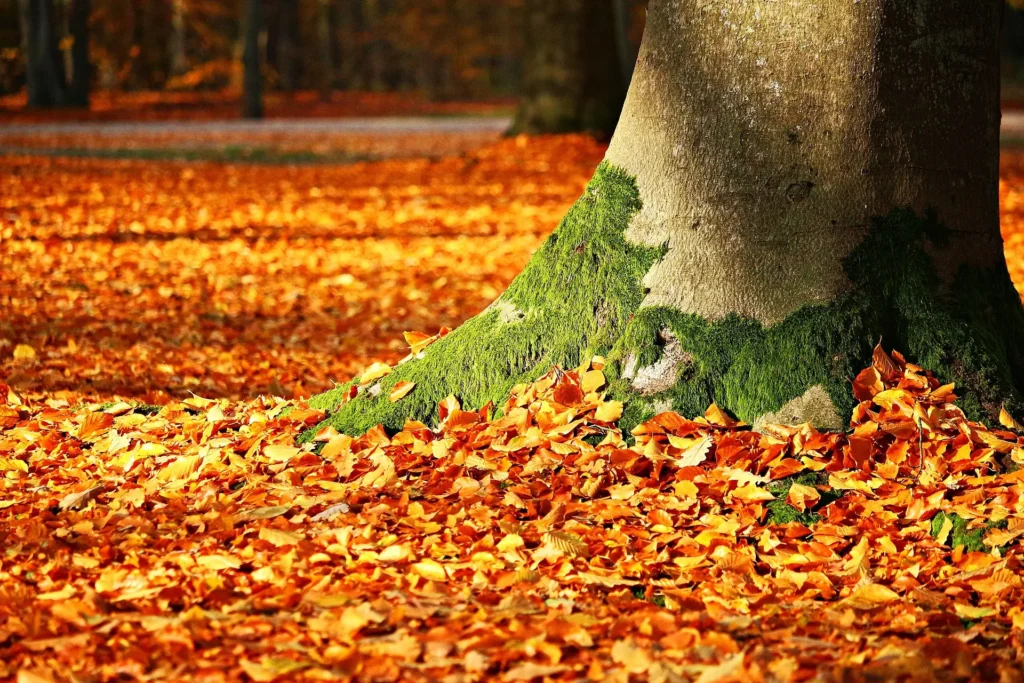
The 100-Year Canopy: A Breeding Ground for Deep-Rooted Moss
The primary factor driving organic growth throughout this area is the extensive urban forest comprised of massive, mature maple, oak, and sycamore trees. While these historic canopies offer exceptional curb appeal and cool summer shade, they simultaneously prevent sunlight from reaching residential rooflines. As a result, asphalt shingles, wood shakes, and vintage tile roofs remain damp for extended periods following Idaho’s seasonal rainfall and winter snow melts. This lack of direct solar drying creates an ideal environment for airborne moss spores to anchor themselves into the roofing substrates.
Unlike basic surface algae, moss is a highly complex, non-vascular plant organism that develops a complex network of root-like anchors known as rhizoids. These rhizoids physically wedge themselves underneath the overlapping edges of shingles, seeking out embedded moisture and organic silt. As the moss colonies grow, they lift the shingles away from the underlying waterproof underlayment, destroying the roof’s primary defense system. Moreover, during the cold winter months, this trapped moisture undergoes repeated freeze-and-thaw cycles. Consequently, the expanding ice forcefully tears the aging shingle mats apart, initiating hidden roof leaks that threaten internal plaster ceilings and vintage framing.
The Fragility of Vintage Shingles and the Threat of High-Pressure Blasting
Maintaining a historic home requires an acute understanding of material vulnerability. Many properties in this sector feature older architectural asphalt layouts or delicate wood shake designs that have weathered decades of intense Idaho seasons. Over time, prolonged ultraviolet exposure naturally breaks down the asphalt binders holding protective ceramic granules in place. Consequently, these vintage shingles become exceptionally brittle, losing their mechanical flexibility and resistance to external forces.
When faced with heavy moss accumulation, some property owners mistakenly attempt to scrape the growth away or hire uncertified handymen utilizing standard high-pressure power washers. This approach introduces catastrophic force to a delicate surface. Specifically, a high-pressure water stream operating at typical commercial levels will immediately strip away the remaining protective ceramic granules, exposing the raw, dry asphalt core to accelerated solar degradation. Furthermore, aggressive mechanical blasting can easily fracture brittle shingles, rip away weakened tabs, and force high-velocity water directly underneath the roofline into attic insulation spaces. Therefore, choosing a specialized methodology for roof moss removal Boise North End is absolutely critical to avoid total structural failure.
Soft Washing: The Only Endorsed Method for Historic Property Preservation
To eliminate destructive vegetation without compromising structural integrity, CleanMyRoofs completely replaces mechanical force with advanced chemical sanitization. Our specialized low-pressure soft wash systems operate at a gentle 150 to 300 PSI, which is lower than the pressure of a standard garden hose. This gentle application guarantees that your home’s delicate architectural features are never subjected to damaging physical stress or erosive water streams.
Instead of relying on raw pressure, our method utilizes highly targeted, biodegradable cleaning solutions that function at a molecular level. These specialized treatments penetrate deep into the porous shingle matrix, completely neutralizing the moss rhizoids and underlying micro-spores at the root.
Subsequently, the dead organic mass releases its grip on the shingle material, allowing it to rinse away naturally over time with seasonal rainfall. Furthermore, this treatment incorporates advanced residual inhibitors that keep the shingle surface hostile to new spore colonization for years. This approved process fully aligns with national historic preservation standards, protecting your property value while extending the operational lifespan of your existing roof structure.
The Domino Effect: Heavy Moss Accumulation and Clogged Gutter Frameworks
The structural threat of heavy moss infestation extends far beyond the surface of your shingles. Because the massive neighborhood trees drop an immense volume of leaves, twigs, seed pods, and organic debris throughout the year, roof valleys quickly become congested. When this falling debris mixes with dense, water-logged moss patches, it forms a thick, absorbent sludge that migrates downward into your gutter channels and downspout elbows during rainstorms.
Consequently, this organic block prevents stormwater from draining away from the home efficiently. When a multi-tier gutter system becomes choked with a combination of debris and detached moss clumps, water backs up under the lower shingle courses, saturating the vital wooden fascia boards and soffits. Over time, this constant water exposure triggers widespread wood rot, inviting wood-boring insects and creating internal wall leaks. By scheduling comprehensive low-pressure treatments, homeowners can ensure that their entire water drainage architecture remains completely clear, free-flowing, and fully functional.
Navigating Historic District Regulations and HOA Compliance
Owning a property within a designated historic district brings immense pride, but it also carries strict civic responsibilities. The local regulatory boards closely monitor the exterior aesthetics and material conditions of properties to preserve the authentic architectural timeline of the neighborhood.
Dark, sprawling moss stains, heavy green algae blooms, and visibly decaying rooflines detract from the historic streetscape. Consequently, failing to maintain these surfaces can quickly result in formal code violations under the official City of Boise property maintenance standards.
Proactive exterior care represents the most effective strategy to maintain continuous compliance with local standards while actively protecting your real estate equity. Indeed, a professionally sanitized roof instantly restores the crisp, authentic historic presentation of your estate, signaling meticulous maintenance to appraisers and neighbors alike. Additionally, we provide every client with fully transparent digital service records and formal invoices.
These documents can be immediately submitted to your local historic review board as verified proof of professional asset preservation. In conclusion, our delicate soft wash care delivers total peace of mind, ensuring your historic home remains beautiful and structurally secure for generations to come.
People Also Ask (Google SERP FAQs)
How much does professional roof moss removal cost in Boise, ID?
The average investment for a professional soft wash roof moss removal service in Boise typically ranges between $450 and $900. The final cost is carefully calculated based on specific structural variables, including the total square footage of the roofline, the pitch and height of the home, and the overall thickness of the moss accumulation. Historic homes with complex architectural layouts, multi-story rooflines, or delicate vintage shingles require additional specialized biodegradable solutions and careful hand-work, which can adjust the pricing. CleanMyRoofs provides completely transparent, free on-site estimates tailored directly to your home’s unique layout.
Why does the Boise North End experience more roof moss than other areas?
The exceptional density of roof moss in the Boise North End is directly caused by the neighborhood’s mature urban forest. The century-old maple and oak trees create massive, interlocking canopies that cast continuous shade over residential roofs throughout the year. This lack of direct sunlight, combined with high seasonal humidity, prevents rainwater and morning dew from evaporating efficiently. Consequently, shingles remain persistently damp, creating a perfect micro-climate for airborne moss spores to anchor, colonize, and develop deep, destructive root systems that do not occur in newer, sun-exposed subdivisions.
Will scraping or pressure washing damage my historic shingles?
Yes, attempting to manually scrape thick moss or using traditional high-pressure power washing on older shingles will cause severe, irreversible structural damage. Standard pressure washers operate at thousands of PSI, a force that immediately blasts away the protective ceramic granules embedded in the asphalt mat. Stripping these granules exposes the underlying asphalt to rapid ultraviolet degradation, causing shingles to dry out, curl, and crack. Furthermore, high-pressure streams easily fracture delicate vintage materials and force water directly into your home’s attic space. Gentle, low-pressure soft washing is the only industry-approved method for historic homes.
How often should I treat my roof for moss in shaded neighborhoods?
For heavily shaded, tree-lined residential sectors like the historic North End, we recommend scheduling a preventative roof inspection and professional soft wash treatment every two to three years. Because the extensive tree canopy maintains a consistently moist environment, microscopic moss spores can quickly re-colonize the surface from nearby properties. Applying a proactive treatment program neutralizes these organic micro-spores before they can establish visible, destructive root systems. Regular maintenance ensures your property stays in continuous compliance with historical guidelines while maximizing the actual operational lifespan of your roofing investment.
Can severe roof moss growth cause internal water leaks in my house?
Absolutely. Roof moss acts exactly like a heavy, water-logged sponge resting directly on your home’s exterior surface. It holds moisture against your shingles for weeks at a time. During the freezing winter months in Idaho, this trapped water expands as it turns into ice, creating tremendous mechanical force that lifts shingle tabs and rips the underlying waterproof underlayment. Over time, this repeated freezing and thawing allows water to bypass your primary defenses completely, rotting the wooden roof decking, destroying attic insulation, and manifesting as hidden, expensive internal ceiling and wall leaks.
Compelling Call to Action (CTA)
Is your roof showing signs of algae growth? Stop the damage before it spreads. Contact CleanMyRoofs today for a free, no-pressure inspection and quote. Let us show you why we are the #1 choice for Algae Treatment in Boise.
Call Us Now: (877) 565-4094
Visit Us: 950 W Bannock St, Suite 1100, Boise, ID 83702
Get Your Free Quote: cleanmyroofs.com/contact
<script type="application/ld+json">
[
  {
    "@context": "https://schema.org",
    "@type": "LocalBusiness",
    "name": "CleanMyRoofs",
    "image": "https://cleanmyroofs.com/wp-content/uploads/2026/logo.png",
    "@id": "https://cleanmyroofs.com/#localbusiness",
    "url": "https://cleanmyroofs.com/",
    "telephone": "+1-208-XXX-XXXX",
    "priceRange": "$$",
    "address": {
      "@type": "PostalAddress",
      "addressLocality": "Boise",
      "addressRegion": "ID",
      "postalCode": "83702",
      "addressCountry": "US"
    },
    "geo": {
      "@type": "GeoCoordinates",
      "latitude": 43.6188,
      "longitude": -116.2023
    },
    "areaServed": [
      {
        "@type": "AdministrativeArea",
        "name": "Boise North End"
      },
      {
        "@type": "AdministrativeArea",
        "name": "Harrison Boulevard"
      },
      {
        "@type": "AdministrativeArea",
        "name": "Boise"
      }
    ],
    "hasOfferCatalog": {
      "@type": "OfferCatalog",
      "name": "Historic Roof Maintenance Services",
      "itemListElement": [
        {
          "@type": "Offer",
          "itemOffered": {
            "@type": "Service",
            "name": "Soft Wash Moss Removal"
          }
        },
        {
          "@type": "Offer",
          "itemOffered": {
            "@type": "Service",
            "name": "Low Pressure Roof Sanitization"
          }
        },
        {
          "@type": "Offer",
          "itemOffered": {
            "@type": "Service",
            "name": "Gutter Cleansing and Flushing"
          }
        }
      ]
    }
  },
  {
    "@context": "https://schema.org",
    "@type": "FAQPage",
    "mainEntity": [
      {
        "@type": "Question",
        "name": "How much does professional roof moss removal cost in Boise, ID?",
        "acceptedAnswer": {
          "@type": "Answer",
          "text": "The investment for a professional soft wash roof moss removal service in Boise typically ranges between $450 and $900. The final cost is carefully calculated based on specific structural variables, including the total square footage of the roofline, the pitch and height of the home, and the overall thickness of the moss accumulation. Historic homes with complex architectural layouts, multi-story rooflines, or delicate vintage shingles require additional specialized biodegradable solutions and careful hand-work, which can adjust the final pricing. CleanMyRoofs provides completely transparent, free on-site estimates tailored directly to your home's unique layout."
        }
      },
      {
        "@type": "Question",
        "name": "Why does the Boise North End experience more roof moss than other areas?",
        "acceptedAnswer": {
          "@type": "Answer",
          "text": "The exceptional density of roof moss in the Boise North End is directly caused by the neighborhood's mature urban forest. The century-old maple and oak trees create massive, interlocking canopies that cast continuous shade over residential roofs throughout the year. This lack of direct sunlight, combined with high seasonal humidity, prevents rainwater and morning dew from evaporating efficiently. Consequently, shingles remain persistently damp, creating a perfect micro-climate for airborne moss spores to anchor, colonize, and develop deep, destructive root systems that do not occur in newer, sun-exposed subdivisions."
        }
      },
      {
        "@type": "Question",
        "name": "Will scraping or pressure washing damage my historic shingles?",
        "acceptedAnswer": {
          "@type": "Answer",
          "text": "Yes, attempting to manually scrape thick moss or using traditional high-pressure power washing on older shingles will cause severe, irreversible structural damage. Standard pressure washers operate at thousands of PSI, a force that immediately blasts away the protective ceramic granules embedded in the asphalt mat. Stripping these granules exposes the underlying asphalt to rapid ultraviolet degradation, causing shingles to dry out, curl, and crack. Furthermore, high-pressure streams easily fracture delicate vintage materials and force water directly into your home's attic space. Gentle, low-pressure soft washing is the only industry-approved method for historic homes."
        }
      },
      {
        "@type": "Question",
        "name": "How often should I treat my roof for moss in shaded neighborhoods?",
        "acceptedAnswer": {
          "@type": "Answer",
          "text": "For heavily shaded, tree-lined residential sectors like the historic North End, we recommend scheduling a preventative roof inspection and professional soft wash treatment every two to three years. Because the extensive tree canopy maintains a consistently moist environment, microscopic moss spores can quickly re-colonize the surface from nearby properties. Applying a proactive treatment program Birdies or neutralizes these organic micro-spores before they can establish visible, destructive root systems. Regular maintenance ensures your property stays in continuous compliance with historical guidelines while maximizing the actual operational lifespan of your roofing investment."
        }
      },
      {
        "@type": "Question",
        "name": "Can severe roof moss growth cause internal water leaks in my house?",
        "acceptedAnswer": {
          "@type": "Answer",
          "text": "Absolutely. Roof moss acts exactly like a heavy, water-logged sponge resting directly on your home's exterior surface. It holds moisture against your shingles for weeks at a time. During the freezing winter months in Idaho, this trapped water expands as it turns into ice, creating tremendous mechanical force that lifts shingle tabs and rips the underlying waterproof underlayment. Over time, this repeated freezing and thawing allows water to bypass your primary defenses completely, rotting the wooden roof decking, destroying attic insulation, and manifesting as hidden, expensive internal ceiling and wall leaks."
        }
      }
    ]
  }
]
</script>