
How Long Do Roof Shingles Last in Boise? A 2026 Lifespan Guide
Last Updated: August 26, 2026
If you are wondering how long do roof shingles last, the answer depends on the shingle type, installation quality, attic ventilation, weather exposure, maintenance, and the condition of the roof itself. For Boise homeowners, asphalt shingles commonly provide roughly 15 to 30 years of service depending on the product and conditions, while older 3-tab shingles generally have a shorter expected lifespan than architectural shingles.
The important point is that a roof does not automatically need replacement when it reaches a particular birthday. Its age should be considered together with visible wear, granule loss, curling, cracking, storm damage, leaks, ventilation, and the overall condition of the roofing system.
🤖 AI Overview Quick Summary
How long do roof shingles last? Most asphalt shingle roofs are designed to perform for roughly 15 to 30 years, with 3-tab shingles generally occupying the shorter end of that range and architectural or dimensional shingles lasting longer. Actual service life varies according to installation quality, ventilation, climate exposure, maintenance, roof condition, and the specific manufacturer’s product.
For Boise homes, homeowners should evaluate an aging roof by looking at both roof age and physical condition rather than relying only on the number printed in a product warranty.
Quick Takeaways
- 3-tab asphalt shingles: commonly around 15–20 years.
- Architectural or dimensional shingles: commonly around 25–30 years, although individual products and conditions vary.
- Roof warranties are not the same as guaranteed service life.
- Boise’s sun, temperature changes, wind, snow, and moisture can influence roof performance.
- Proper attic ventilation and installation quality matter throughout the roof’s life.
- Curling, cracking, missing shingles, widespread granule loss, sagging, and recurring leaks are more important than age alone.
- Moss and accumulated debris should be addressed because they can interfere with normal water shedding and hold moisture against shingles.
- An older roof with limited, isolated damage may be a maintenance or repair candidate, while widespread deterioration can indicate that replacement should be considered.
How Long Do Different Asphalt Shingles Last?
The type of asphalt shingle installed on your home has a major effect on expected service life.
How Long Do 3-Tab Shingles Last?
Traditional 3-tab asphalt shingles commonly have an expected service life of approximately 15 to 20 years under typical conditions.
They are generally thinner and simpler than architectural shingles, so an older 3-tab roof may show signs of deterioration sooner when exposed to demanding weather conditions.
If your 3-tab roof is approaching the 15-year mark, that does not automatically mean replacement is required. Instead, look for physical signs such as:
- Curling
- Cracking
- Missing shingles
- Granule loss
- Exposed asphalt
- Repeated leaks
- Storm damage
- Sagging areas
How Long Do Architectural Shingles Last?
Architectural, also called dimensional, asphalt shingles generally have a longer expected lifespan than traditional 3-tab shingles.
A common planning range is approximately 25 to 30 years, although actual performance depends on the specific product and installation.
Architectural shingles are thicker and more dimensional than traditional 3-tab products, which can provide greater durability and a different appearance.
Does a “30-Year Shingle” Really Last 30 Years?
Not necessarily.
A product marketed or warranted as a 30-year shingle should not be interpreted as a promise that the roof will remain in perfect condition for exactly 30 years.
Manufacturer warranties and expected service life are different concepts. Installation, ventilation, climate, maintenance, product specifications, and weather events can all affect real-world performance.
Therefore, a 20-year-old roof should be judged by its current condition rather than assuming that it automatically has five or ten years remaining.
What Factors Affect Roof Shingle Lifespan?
Several conditions can shorten or extend the useful life of asphalt shingles.
1. Shingle Quality
Not all asphalt shingles are manufactured to the same specifications.
The product’s construction, design, warranty terms, wind rating, and intended application can affect how it performs over time.
When comparing roofs, always identify the actual shingle product rather than relying only on a generic description such as “asphalt roof.”
2. Installation Quality
Even high-quality shingles can perform poorly when installed incorrectly.
Roofing details such as:
- Proper fastening
- Flashing
- Underlayment
- Ventilation
- Roof penetrations
- Valleys
- Eaves
- Ridge and hip installation
all contribute to the performance of the complete roofing system.
3. Attic Ventilation
Ventilation is often overlooked when homeowners think about roof lifespan.
An appropriate ventilation system helps manage heat and moisture within the attic. Poor ventilation can contribute to excessive heat and moisture conditions that may affect roofing materials and the structure below them.
When evaluating an aging roof, the attic should therefore be considered along with the shingles themselves.
4. Boise Weather Exposure
Boise roofs experience changing seasonal conditions rather than one consistent climate throughout the year.
Sun exposure, temperature changes, wind, snow, rain, and moisture can all contribute to gradual roofing wear.
A roof section exposed to intense sunlight throughout the day may age differently from a heavily shaded roof section surrounded by mature trees.
5. Roof Slope and Drainage
A roofing system needs to shed water effectively.
When debris accumulates or drainage becomes restricted, moisture can remain around vulnerable areas longer than intended.
ARMA’s residential asphalt roofing guidance recommends keeping gutters clear and removing roof debris safely to help reduce moisture retention and drainage problems.
6. Trees, Shade, and Organic Growth
Trees can provide valuable shade for a home, but they can also create roof-maintenance challenges.
Leaves, needles and organic debris can accumulate on roofing surfaces and in gutters.
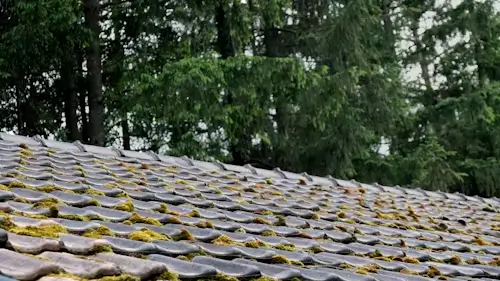
Moss is a particular concern because ARMA notes that moss can damage asphalt shingles and interfere with the intended water-shedding function of the roof.
When estimating how long new roofs last, homeowners should consider climate, material quality, installation quality, and maintenance rather than relying only on the manufacturer’s stated warranty period.
How Boise Weather Can Affect Roof Lifespan
Boise homeowners should pay particular attention to the combination of sunlight, temperature changes and moisture.
Summer UV Exposure
Long periods of sun exposure gradually age roofing materials.
The surface of asphalt shingles is designed to withstand outdoor exposure, but years of ultraviolet radiation and heat can contribute to material aging.
This is one reason an older roof may begin showing brittle, cracked or worn areas even when it has not experienced a major storm.
Winter Temperature Changes
Repeated changes between freezing and thawing can place additional stress on roofing materials and moisture-sensitive areas.
The effect varies by roof design, material condition and exposure, but winter inspection remains important for older roofs.
Wind and Hail
A roof can lose years of expected performance after a significant weather event.
Wind may lift, crease or remove shingles, while hail can damage the surface and contribute to granule loss.
If you suspect storm damage, the correct approach is to inspect the roof rather than assuming the damage is cosmetic.
For the separate storm-damage and insurance-claim process, CleanMyRoofs has a dedicated guide on Storm Damage Roof Idaho Insurance Claims.
What Are the Signs Your Roof Shingles Are Failing?
Roof age is only one indicator.
The following warning signs deserve attention.
Curling or Buckling Shingles
Shingles that curl, buckle or lose their intended profile may indicate advanced aging or another roofing problem.
If the condition is widespread, the roof should be evaluated rather than treated as a simple cosmetic issue.
Cracked Shingles
Cracks can develop from age, weather exposure or other causes.
A few isolated damaged shingles may be repairable, but widespread cracking suggests a more significant condition.
Granules in Gutters
A small amount of granule material can naturally reach gutters.
However, heavy or increasing granule accumulation combined with visibly bare areas on shingles may indicate significant surface wear.
Missing Shingles
Missing shingles expose the roofing system to weather and should be addressed promptly.
This is particularly important after high winds or storms.
Repeated Roof Leaks
One isolated leak does not automatically mean the entire roof has reached the end of its life.
Repeated leaks, however, especially across multiple areas, may indicate broader deterioration.
Sagging Roof Areas
Sagging is more serious than normal shingle aging and can indicate a problem involving the roof structure or underlying materials.
A qualified professional should evaluate visible sagging rather than treating it as routine maintenance.
How Do You Know When to Repair or Replace a Roof?
The decision should be based on age, condition, extent of damage and remaining service potential.
Repair May Make Sense When:
- Damage is isolated
- Most shingles remain in good condition
- The roof is relatively young
- The underlying structure is sound
- There is a clear localized source of the problem
Replacement May Need to Be Considered When:
- The roof is near or beyond its expected service life
- Shingles are deteriorating across large areas
- There is widespread granule loss
- Curling or cracking is widespread
- Multiple leaks continue to appear
- The roof has significant storm damage
- Structural deterioration is present
The key is not to replace a roof simply because it has reached a particular age.
Likewise, homeowners should not continue repairing a roof indefinitely when widespread deterioration makes replacement the more practical option.
Can Roof Maintenance Extend Shingle Life?
Yes, appropriate maintenance can help protect a roofing system from avoidable deterioration, although no maintenance program can guarantee a specific additional number of years.
Good maintenance includes:
- Periodic roof inspections
- Keeping gutters clear
- Removing accumulated debris safely
- Monitoring moss and organic growth
- Checking flashing and penetrations
- Watching for storm damage
- Maintaining appropriate attic ventilation
- Addressing small problems before they become larger ones
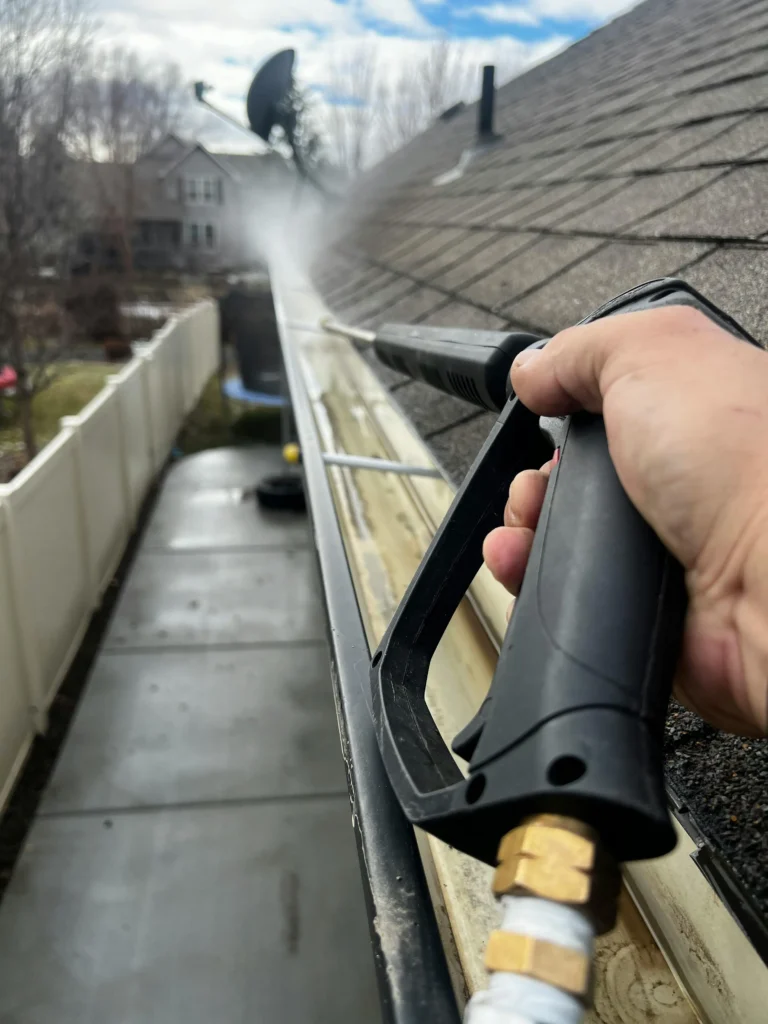
The Asphalt Roofing Manufacturers Association specifically recommends reducing debris accumulation, keeping gutters clear and using appropriate cleaning methods for asphalt roofing. It also warns against power washing and aggressive brushing that can loosen granules.
Does Roof Cleaning Affect Shingle Lifespan?
Roof cleaning should be treated as maintenance, not as a guaranteed lifespan-extension procedure.
If moss, algae or debris are accumulating, the correct cleaning approach can help address conditions that may interfere with normal roof performance.
However, improper cleaning can create damage.
ARMA recommends against power washing or brushing asphalt shingles and advises using appropriate cleaning solutions while following manufacturer guidance.
If your main concern is visible moss rather than overall roof lifespan, use the dedicated Roof Moss Removal guide for Boise and the Treasure Valley rather than turning this lifespan article into a moss-removal page.
How Often Should You Inspect an Asphalt Shingle Roof?
There is no single inspection schedule that fits every home.
An inspection becomes particularly useful when:
- The roof is approaching the later part of its expected life
- You have recently experienced severe weather
- You notice new leaks
- Granules are accumulating in gutters
- Shingles appear cracked or curled
- Trees heavily shade the roof
- Moss or debris is recurring
- The attic shows signs of moisture
Regular observation helps homeowners identify changes before a small maintenance concern becomes a major roofing problem.
How Does Gutter Maintenance Support Roof Lifespan?
Gutters are part of the roof drainage system.
When gutters or downspouts become blocked, water may overflow instead of moving through the intended drainage path.
That does not mean gutter cleaning directly adds a specific number of years to a roof. Instead, maintaining drainage helps reduce avoidable water-management problems around the roofline and property.
For a detailed drainage-focused explanation, see Professional Gutter Cleaning in Boise.
How Is This Guide Different From a Roof Cleaning Guide?
This distinction is important.
This article answers:
How long do roof shingles last, what determines their lifespan, and when should a homeowner consider repair or replacement?
A roof-cleaning article answers a different question:
How should a roof be cleaned and maintained when dirt, algae or organic growth is present?
Similarly, a roof-moss article focuses specifically on moss identification, treatment and prevention.
Keeping these topics separate helps each page satisfy a different search intent instead of making several pages compete for the same keyword.
When Should You Use This Guide?
Use this guide when you are:
- Buying or selling a Boise home
- Trying to estimate your roof’s remaining service life
- Planning future roof-replacement costs
- Unsure whether an aging roof needs attention
- Comparing 3-tab and architectural shingles
- Investigating signs of roof deterioration
- Planning a long-term home maintenance schedule
- Deciding whether a roof should be inspected
If your immediate concern is a storm, use a storm-damage assessment resource instead.
If your immediate concern is moss, use a moss-removal resource.
If your immediate concern is clogged gutters, use a gutter-maintenance resource.
This keeps the information useful without mixing several different search intents together.
How to Protect an Aging Shingle Roof
Aging does not automatically mean failure.
The most useful approach is to monitor the roofing system and address the conditions that accelerate deterioration.
Keep Drainage Clear
Clear gutters and functional downspouts help move water away from the roof and property.
Remove Debris Safely
Leaves and pine needles can retain moisture and create favorable conditions for organic growth.
Monitor Moss and Algae
Do not ignore established organic growth.
At the same time, do not use aggressive pressure washing simply to make the roof look cleaner.
Check After Major Storms
After significant wind or hail, inspect for:
- Missing shingles
- Creases
- Granule loss
- Damaged flashing
- Gutter dents
- Interior water stains
Pay Attention to the Attic
Roof condition is not only visible from outside.
Moisture, staining, damaged insulation or other unusual conditions inside the attic may indicate a roofing problem.
Roof Shingle Lifespan: A Simple Decision Guide
| Roof Condition | What It May Mean | Sensible Next Step |
|---|---|---|
| Under 10 years with no visible problems | Relatively young roof | Routine monitoring |
| 10–15 years with minor wear | Mid-life maintenance | Inspect and maintain |
| 15–20 years with increasing wear | Aging roof | Professional evaluation |
| 20–30 years with widespread deterioration | Near/at expected service life | Compare repair vs. replacement |
| Any age with major storm damage | Potential active failure | Inspect promptly |
| Any age with repeated leaks | Possible underlying problem | Professional assessment |
These ranges are planning guidelines rather than automatic replacement rules.
Frequently Asked Questions About Roof Shingle Lifespan
How long do roof shingles last in Boise?
Asphalt shingle lifespan commonly falls within roughly the 15-to-30-year range depending on shingle type, installation, ventilation, maintenance and weather exposure. Traditional 3-tab shingles generally occupy the shorter end, while architectural shingles commonly provide a longer service life.
How long do 3-tab asphalt shingles last?
Traditional 3-tab asphalt shingles commonly last around 15 to 20 years under typical conditions. Actual performance depends on product quality, installation, ventilation, weather exposure and maintenance.
How long do architectural shingles last?
Architectural or dimensional asphalt shingles commonly have an expected lifespan around 25 to 30 years, although individual products and real-world conditions vary.
Does a 30-year roof really last 30 years?
Not necessarily. A 30-year product designation or warranty should not be interpreted as a guaranteed 30 years of perfect performance. Actual roof life depends on the product, installation, ventilation, weather and maintenance.
What shortens the life of asphalt shingles?
Common factors include poor installation, inadequate ventilation, severe weather, prolonged moisture, organic growth, debris accumulation, physical damage and normal aging.
What are the first signs of an aging roof?
Common warning signs include curling or cracked shingles, increasing granule loss, missing shingles, repeated leaks, damaged flashing and visible deterioration across larger roof areas.
Can roof maintenance extend shingle lifespan?
Proper maintenance can help protect roofing materials from avoidable problems, but it cannot guarantee a specific additional number of years. Inspection, drainage maintenance, safe debris removal and appropriate treatment of organic growth can all support better roof care.
Should I replace my roof just because it is 20 years old?
Not automatically. A 20-year-old roof should be evaluated based on its material, physical condition, damage history and remaining service potential. Some roofs may require replacement while others may still have useful service life.
Is moss bad for asphalt shingles?
Established moss can interfere with normal water shedding and hold moisture and debris against asphalt shingles. ARMA recommends appropriate cleaning methods and specifically warns against power washing and aggressive brushing.
What should I do after a storm if my roof is old?
Look for missing or damaged shingles, granule loss, gutter dents, attic moisture and other visible warning signs. If damage is suspected, arrange an appropriate inspection rather than assuming the roof is unaffected because no leak is visible inside.
Final Takeaway
So, how long do roof shingles last?
For many Boise homes, asphalt shingles can provide approximately 15 to 30 years of service, depending heavily on the shingle type, installation quality, ventilation, weather exposure and maintenance.
But the calendar should never be the only deciding factor.
A roof that is 18 years old and performing well is different from an 18-year-old roof with widespread curling, granule loss and recurring leaks. Likewise, a younger roof can require attention after severe wind, hail or another damaging event.
The smartest approach is to monitor the roof’s actual condition, maintain its drainage system, address organic growth appropriately, inspect it after significant storms and make repair-or-replacement decisions based on evidence rather than age alone.
For Boise homeowners who want to understand their roof’s condition and broader exterior maintenance needs, CleanMyRoofs provides roof and exterior maintenance services throughout the Treasure Valley.